
Spray Foam Insulation in Arizona
Closed-cell and open-cell spray foam for attics, walls, and crawl spaces.
Spray Foam Insulation in Arizona
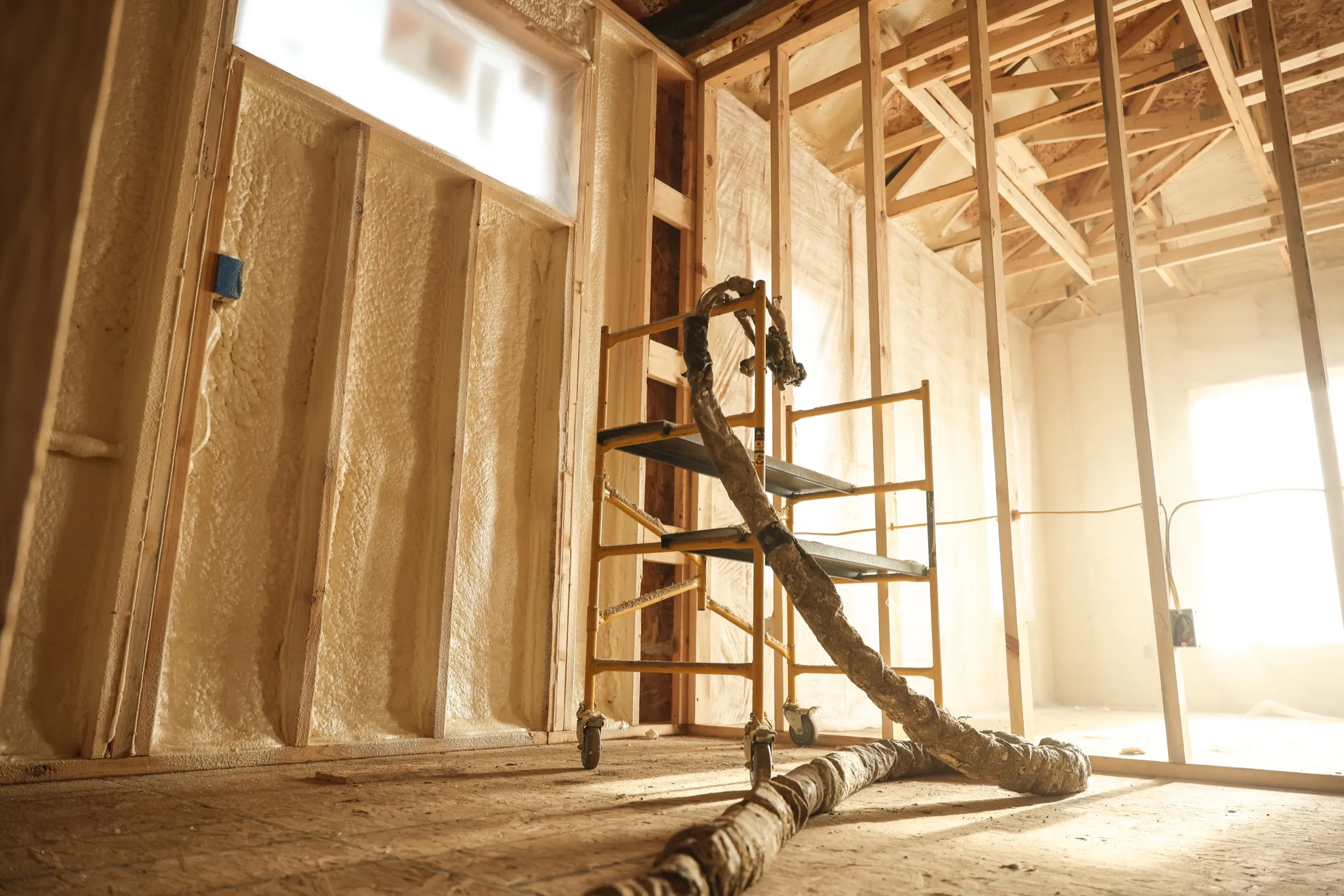
Spray foam insulation is the most complete insulation material we install in Arizona attics. It insulates and air seals in a single application, which matters in a state where attic temperatures can push past 150 degrees on a summer afternoon. Arizona Attic Insulation installs spray foam in attics, walls, crawl spaces, and rim joists across the state, from desert lowland homes in Phoenix, Mesa, and Tucson to high country properties in Flagstaff, Prescott, and Payson. Call (602) 960-3654 to schedule a free attic inspection.
Arizona is one of the few states that spans climate zone 2 and climate zones 4 and 5 at the same time. That means a spray foam specification that works in Mesa may not be the right call in Show Low. Our estimators start with your elevation, your attic layout, and your existing insulation before recommending open-cell, closed-cell, or a hybrid approach. We are a service-area company with no storefront, so every estimate happens at your home, on your schedule.
What Spray Foam Does in an Arizona Attic
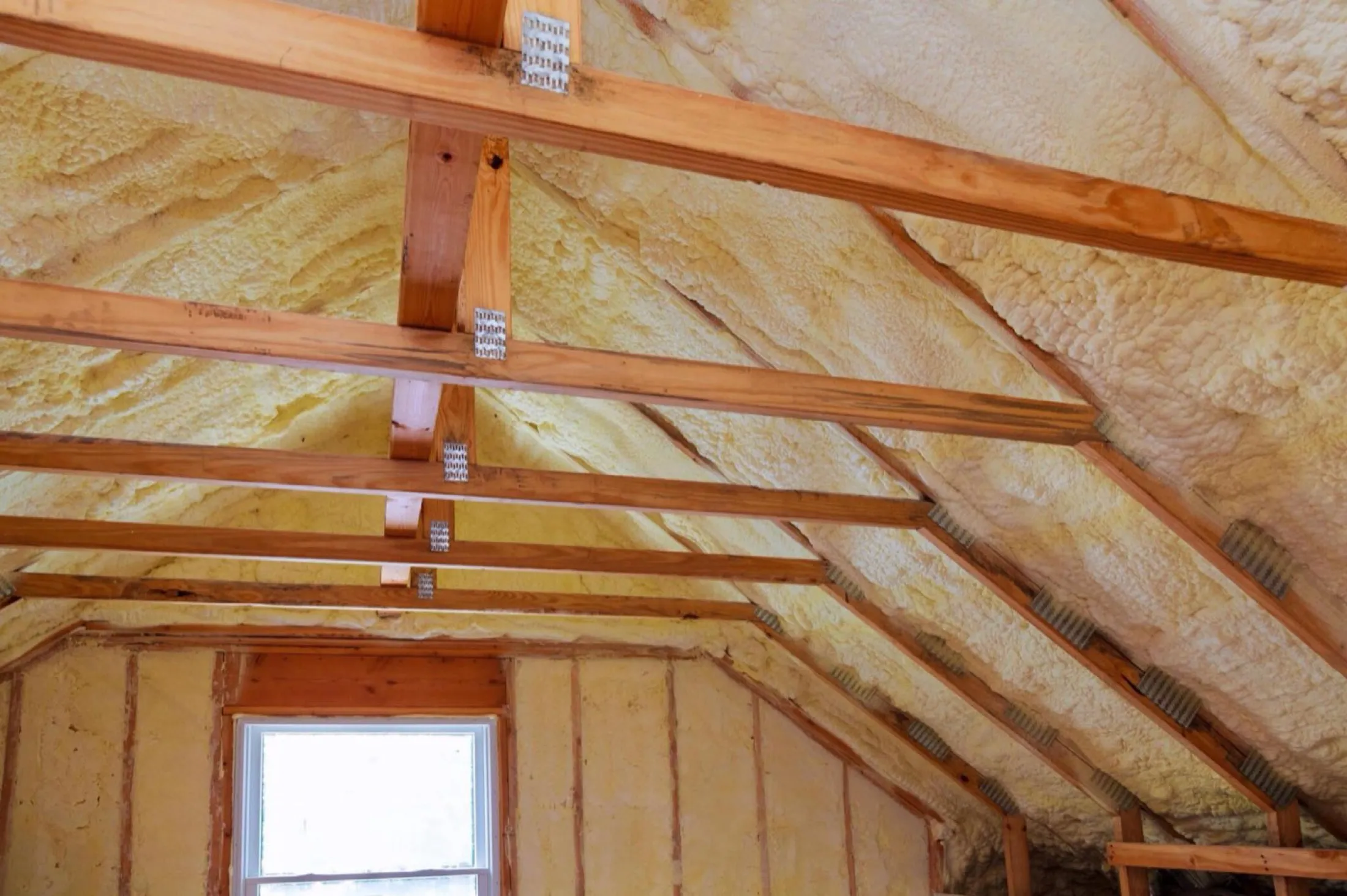
An attic under the Arizona sun is the hottest space in the house. Roof decking absorbs radiant heat all day and pushes it down toward the living space, and every gap around can lights, duct chases, plumbing stacks, and top plates lets your conditioned air escape into that superheated attic. Spray polyurethane foam expands on contact and fills those gaps as it cures, so you get an air barrier and a thermal barrier from one product.
Because the foam bonds directly to the surface it is sprayed on, it does not sag, settle, or drift out of place the way loose materials can over time. Applied to the attic floor, it seals the ceiling plane tight. Applied to the underside of the roof deck, it brings the attic inside the thermal envelope of the home, which is often the right move when ductwork or an air handler sits up there baking all summer.
That air sealing half of the equation is what separates spray foam from every other material we install. The U.S. Department of Energy has consistently identified air leakage as one of the largest sources of energy waste in homes, and in Arizona that leakage runs both directions: cooled air out in summer, heated air out in high country winters.
Open-Cell vs Closed-Cell Spray Foam
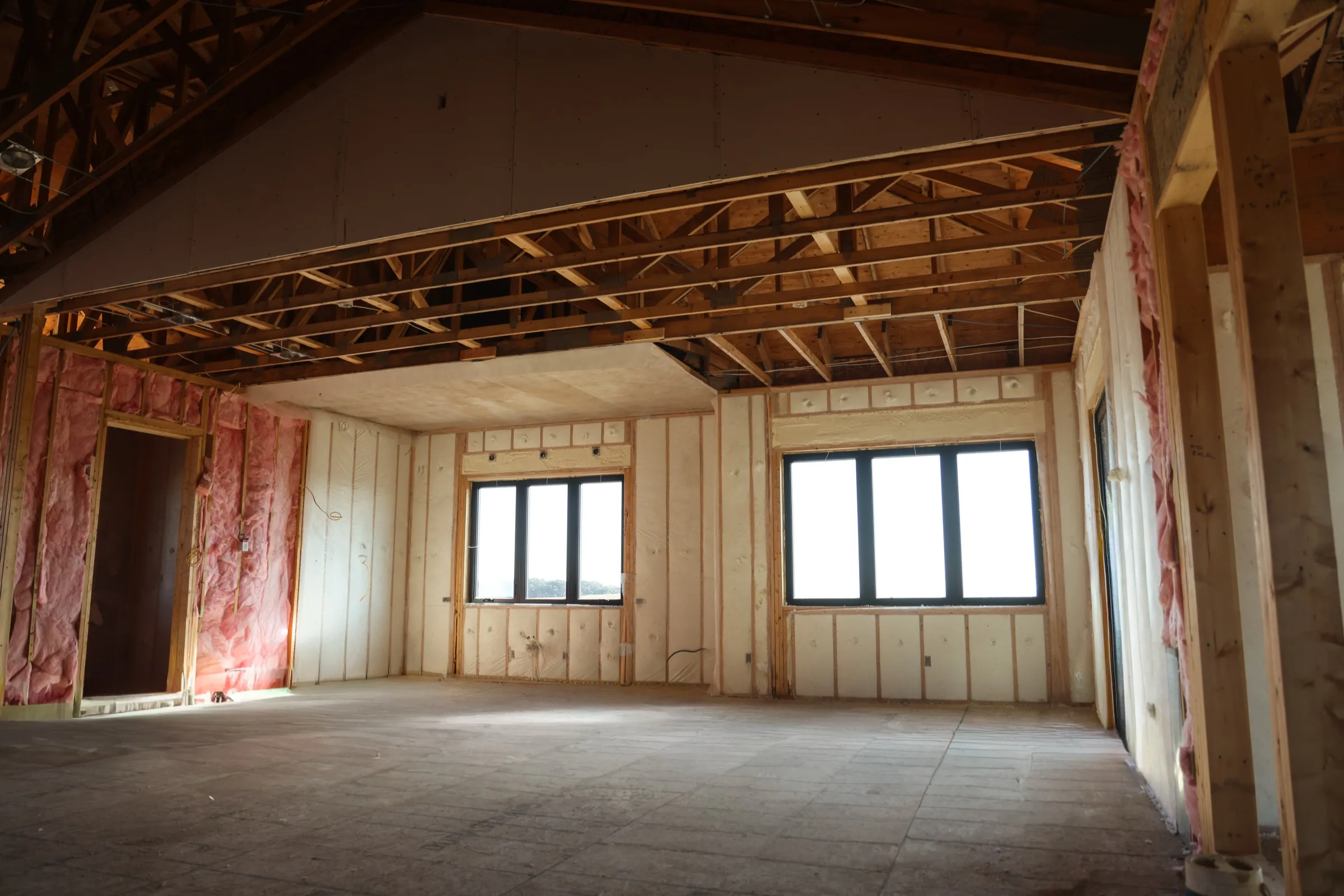
Open-cell spray foam is a soft, flexible, low-density foam with an R-value around R-3.5 to R-3.8 per inch. It expands aggressively after application, fills irregular cavities well, and is the more affordable of the two options. In most Arizona attic applications at desert elevations, open-cell foam sprayed to full depth delivers strong performance for the price, and it has the side benefit of dampening sound between floors.
Closed-cell spray foam is a rigid, high-density foam with an R-value around R-6 to R-7 per inch. It resists moisture, adds racking strength to the surfaces it bonds to, and delivers roughly double the R-value per inch of open-cell. Closed-cell is the better fit where framing depth is limited, where moisture exposure is a concern, and for rim joists and crawl spaces.
One practical difference matters at elevation. Closed-cell foam is dense enough to act as a vapor retarder, while open-cell foam is vapor permeable. In high country attics where winter condensation becomes a real issue, that distinction shapes our recommendation. During your free inspection we will explain which chemistry fits your attic and why, in plain terms.
Where Spray Foam Works Best
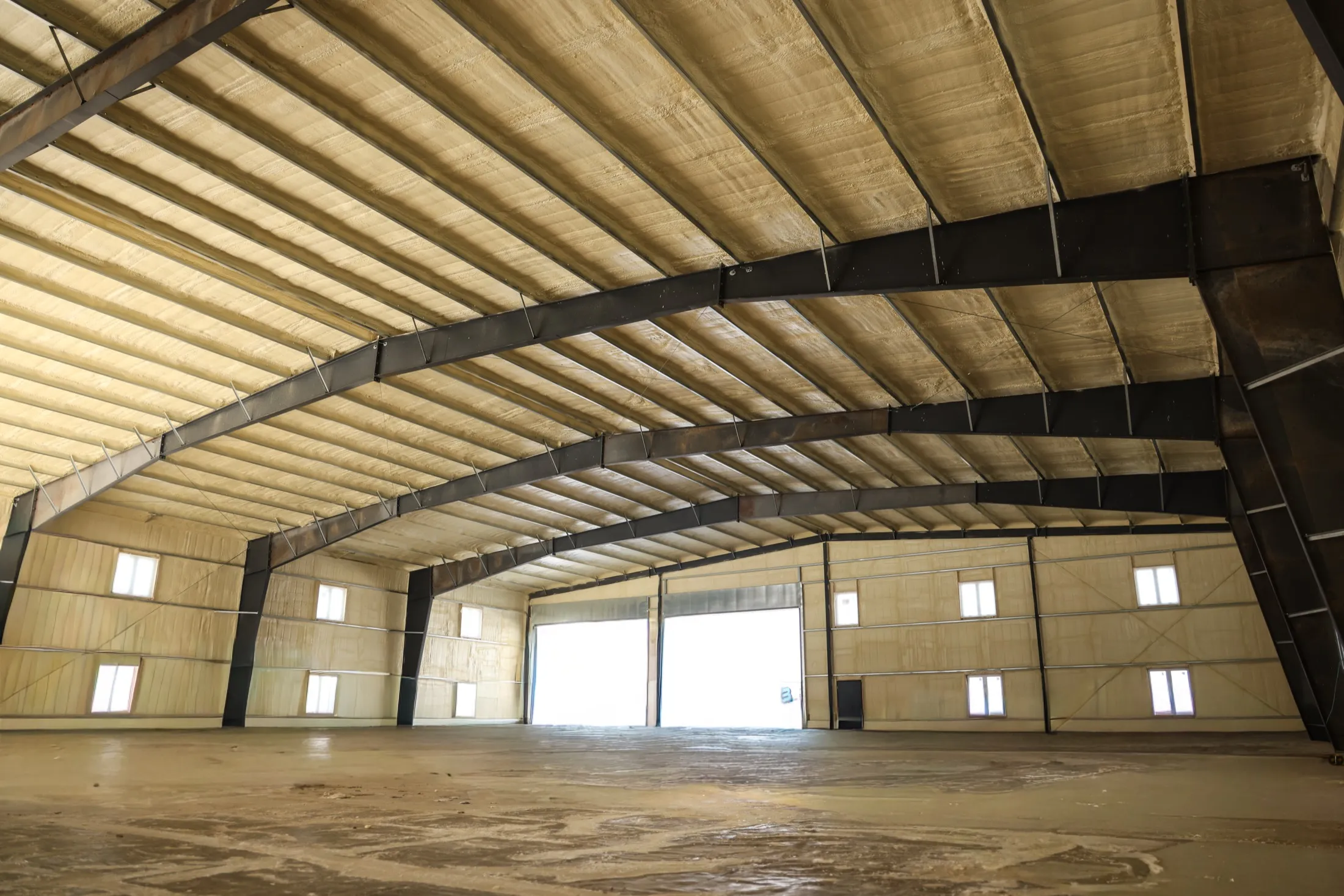
Spray foam earns its keep in specific attic situations. Homes with extensive ductwork in the attic benefit from spraying the roofline instead of the attic floor, because the ducts stop fighting a 140 degree environment. Vaulted ceilings and cathedral sections with no room for deep loose fill are natural fits for closed-cell foam. Older homes with decades of accumulated gaps around top plates, chases, and penetrations benefit from foam's sealing power in ways loose fill cannot match.
It is not always the answer, and we will tell you that. If your attic floor is flat, accessible, and unobstructed, blow-in insulation usually delivers the R-value you need at a lower cost. Spray foam is our secondary recommendation behind blow-in, removal, and radiant barriers for a reason: we recommend it where its sealing ability and R-value per inch actually change the outcome, not by default.
R-Value and Arizona Climate Zones
The U.S. Department of Energy sets attic insulation recommendations by climate zone. Most of the Arizona desert lowland, including Phoenix, Tucson, Yuma, and the surrounding metro areas, sits in climate zone 2, where attics typically call for R-30 to R-60, with R-38 a common target. High country communities like Flagstaff, Williams, Show Low, and parts of the White Mountains fall in zones 4 and 5, where R-49 to R-60 is the recommended range.
With spray foam, hitting those numbers is a depth calculation. Open-cell foam needs roughly 10 to 14 inches to reach R-38 to R-49. Closed-cell reaches R-38 in about 6 inches. Where rafter or joist depth is limited, closed-cell is often the only foam path to code-level R-values, and that single fact drives a lot of our high country specifications.
What to Expect During Installation
Every spray foam job starts with an attic inspection. We measure the space, check ventilation, assess existing insulation, identify air leak paths, and confirm whether the attic floor or the roofline is the right target. You receive a written scope and a firm quote before any work is scheduled, and we explain the re-entry requirements up front so there are no surprises on install day.
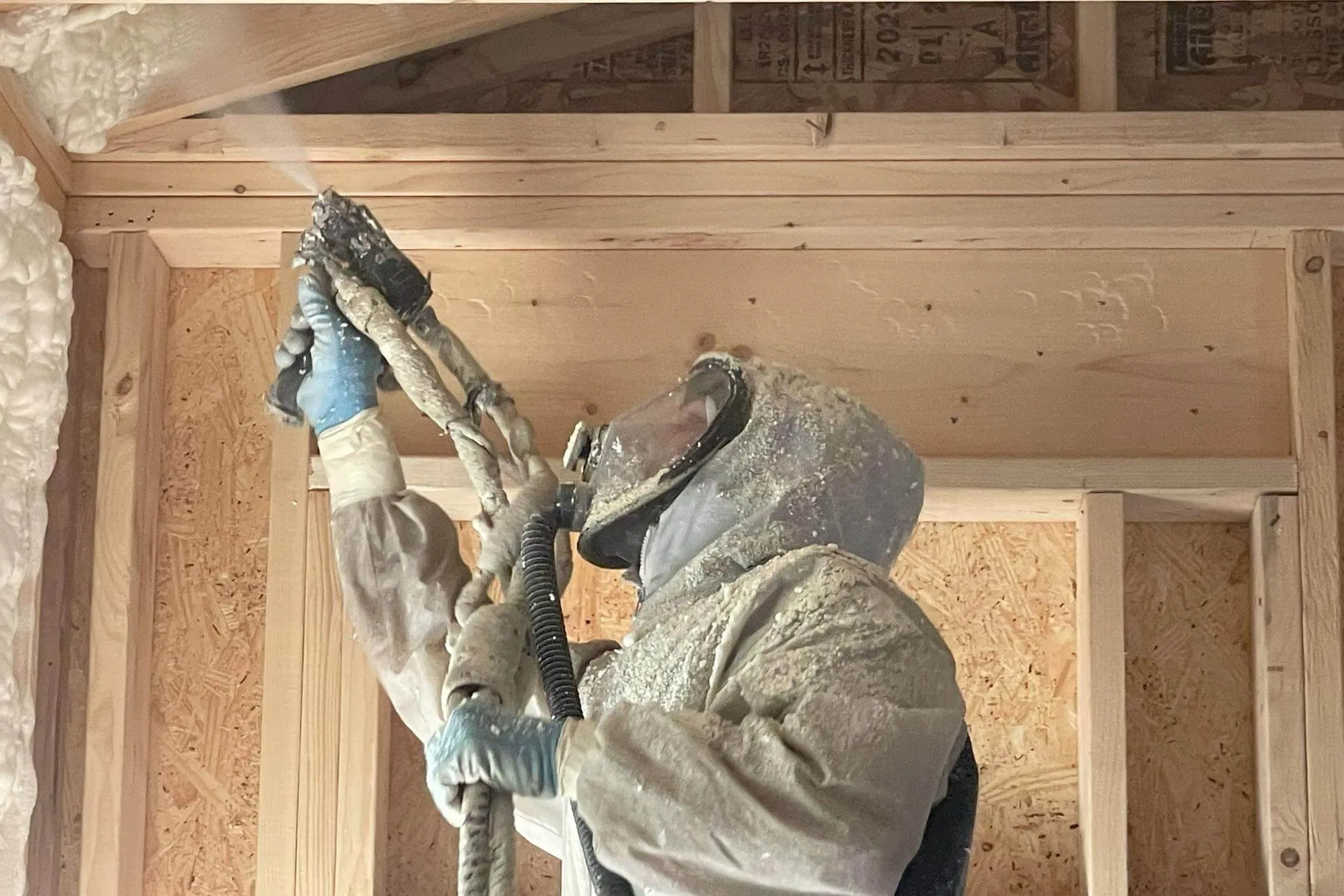
On installation day the crew protects flooring and fixtures below the work area, preps the spray surface, and applies the foam in controlled passes to the specified depth. Occupants and pets stay out of the home during application and for a re-entry window afterward while the foam cures and the space ventilates. We will give you exact timing for your specific job before we start.
Once the foam has cured we trim any overfill, confirm installed depth against the quote, and walk the finished job with you. If your project involves removing old insulation first, that removal is scheduled as a separate step before the foam crew arrives.
Spray Foam Insulation Cost in Arizona
Spray foam is the premium insulation option, and pricing reflects that. Typical installed costs in Arizona run roughly $1.50 to $3.50 per square foot for open-cell foam and $2.50 to $5.00 per square foot for closed-cell foam, depending on depth, access, and whether old insulation has to come out first. Those are typical ranges, not a quote. Every attic is different, and the only honest number is the one written after an inspection.
The fair way to compare cost is against what the foam replaces. Spray foam combines insulation and whole-attic air sealing in one step, and roofline applications can take serious load off aging ductwork. When it makes sense, we will price your project both ways, foam versus blow-in with separate air sealing, so you can see the real difference in dollars and in scope. Call (602) 960-3654 for a free written estimate.
Spray Foam vs Other Attic Insulation Options
Spray foam delivers the highest R-value per inch and the best air sealing of any material we install. Blow-in fiberglass and cellulose cost less per unit of R-value and are easier to top off later. Batts perform well in open, standard-framed attics. Radiant barriers address radiant heat gain at the roofline, which is a different mechanism than the conductive heat foam stops.
Many Arizona attics end up with a combination rather than a single material: insulation on the attic floor to R-38 or better, a radiant barrier at the roofline, and spray foam reserved for rim joists, knee walls, and hard-to-reach leak paths. The right mix depends on your attic geometry, your elevation, and your budget, and our job is to lay those options out honestly.
Schedule a Free Attic Inspection
The fastest way to know whether spray foam belongs in your attic is a free inspection. Arizona Attic Insulation serves homeowners statewide, from the Valley to the high country, and we come to you. Call (602) 960-3654 to schedule your free attic inspection and written estimate.
Real Arizona Projects
Other Insulation Services
Common Questions
Is spray foam insulation a good fit for Phoenix-area buildings?
Yes. Spray Foam Insulation works well for many Phoenix-area homes and commercial buildings, but the right choice depends on the space, the assembly and how it is used. During a free estimate we confirm whether spray foam insulation or another option fits your building.
How much does spray foam insulation cost?
Cost depends on the area being treated, the material and thickness, access and prep. Estimates are free and given in writing, so you know the price before any work begins.
How long does a spray foam insulation project take?
Most projects are completed quickly once scheduled. Your written estimate includes the expected timeline for your specific Phoenix-area project.
Want to Know What Your Project Would Cost?
Tell us about the property and we'll help you determine the next step.
Free Written Estimates • No Obligation • Local Arizona Team