
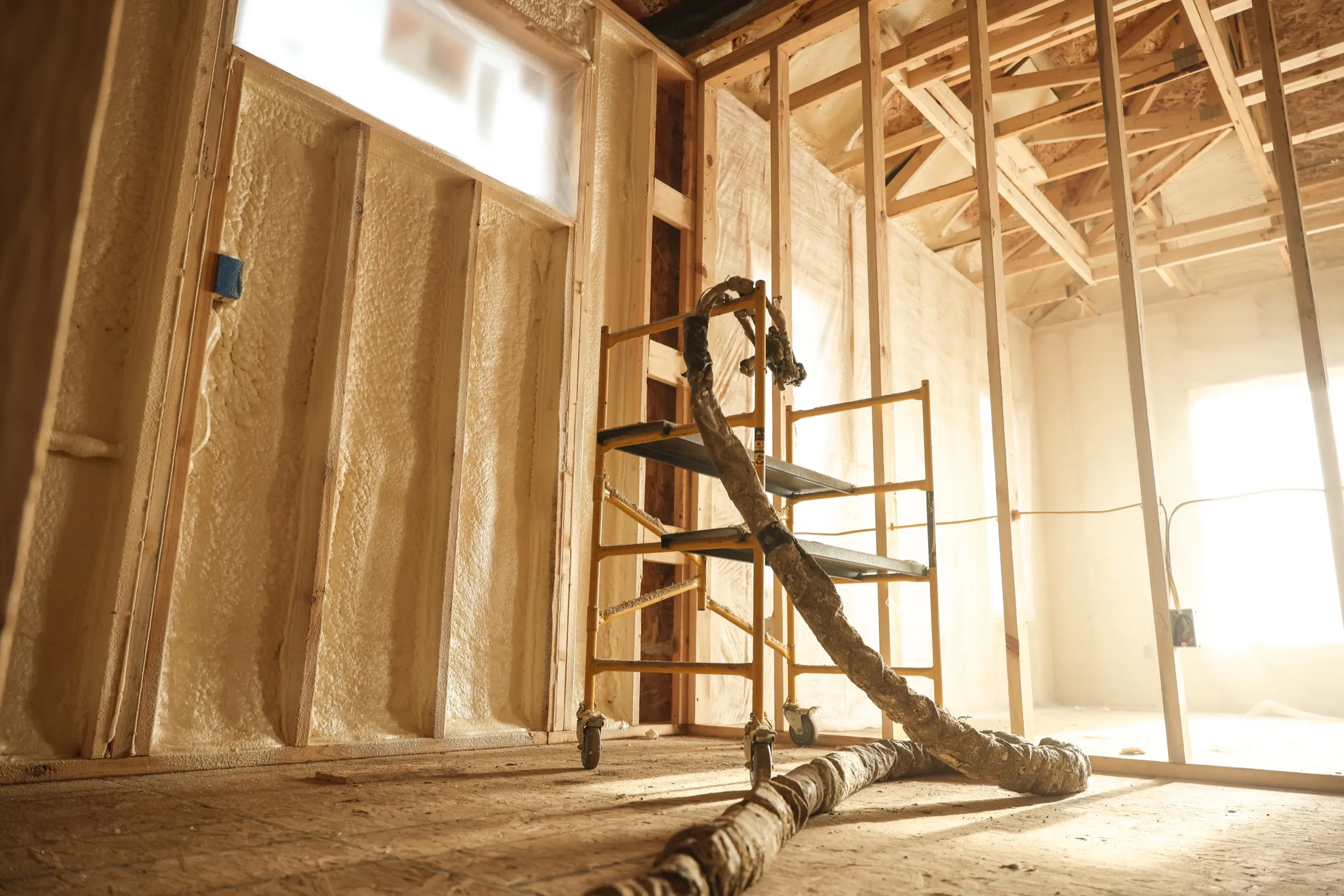
Spray Foam Insulation in Tucson, AZ
Professional spray foam insulation for Tucson homes, garages, additions, metal buildings and commercial properties.
Attic Insulation Tucson, AZ
Tucson summers are hard on houses. When afternoon temperatures climb past 105 degrees and the sun beats on your roof for ten straight hours, the attic above your ceiling can reach 150 degrees or hotter. That heat presses down through the ceiling all evening, your air conditioner runs long past sunset, and the bill shows it. Arizona Attic Insulation helps Tucson homeowners fight desert heat where it starts, in the attic, with blown-in insulation, insulation removal, radiant barriers, and air sealing. Call (602) 960-3654 to schedule a free attic inspection.
We are a statewide attic-first insulation company. We do not have a storefront you need to find, we come to you. Our crews serve Tucson and the surrounding communities of Oro Valley, Marana, Sahuarita, and Vail, and we work on everything from older ranch homes near midtown to newer construction on the southeast side. Attic insulation, blow-in insulation, removal, and radiant barriers lead what we do, with spray foam available where it makes sense as a secondary option.
How Desert Heat Pounds a Tucson Attic
Heat gets into your home three ways: conduction, convection, and radiation. A Tucson roof on a July afternoon can hit surface temperatures well above 160 degrees. That heat conducts through the roofing and decking, radiates down onto the attic floor, and warms the trapped attic air until it pushes through every gap around light fixtures, top plates, and duct chases. If the insulation layer on your attic floor is thin, settled, or missing in spots, your ceiling basically becomes a slow-release heater pointed at your living space.
There is a second penalty most homeowners never see. Many Tucson homes have ductwork running through the attic. When your ducts sit in 140-degree air, the cold air inside them warms up before it ever reaches your vents. Your AC works longer to deliver the same comfort. Add in monsoon-season humidity, fine desert dust that drifts into soffit vents, and insulation that settles a little more each year, and you have a recipe for rising bills and rooms that never quite cool down.
Attic Insulation Services We Provide in Tucson
Every attic is different, so we start with an inspection and build the plan around what your home actually needs. For most Tucson homes that means one or more of the following: blown-in fiberglass or cellulose insulation to bring the attic floor up to the right depth, batt insulation for accessible areas and knee walls, full insulation removal when the old material is contaminated or compressed, radiant barrier installation to reflect roof heat before it enters the attic, and air sealing around penetrations so cooled air stays in your living space.
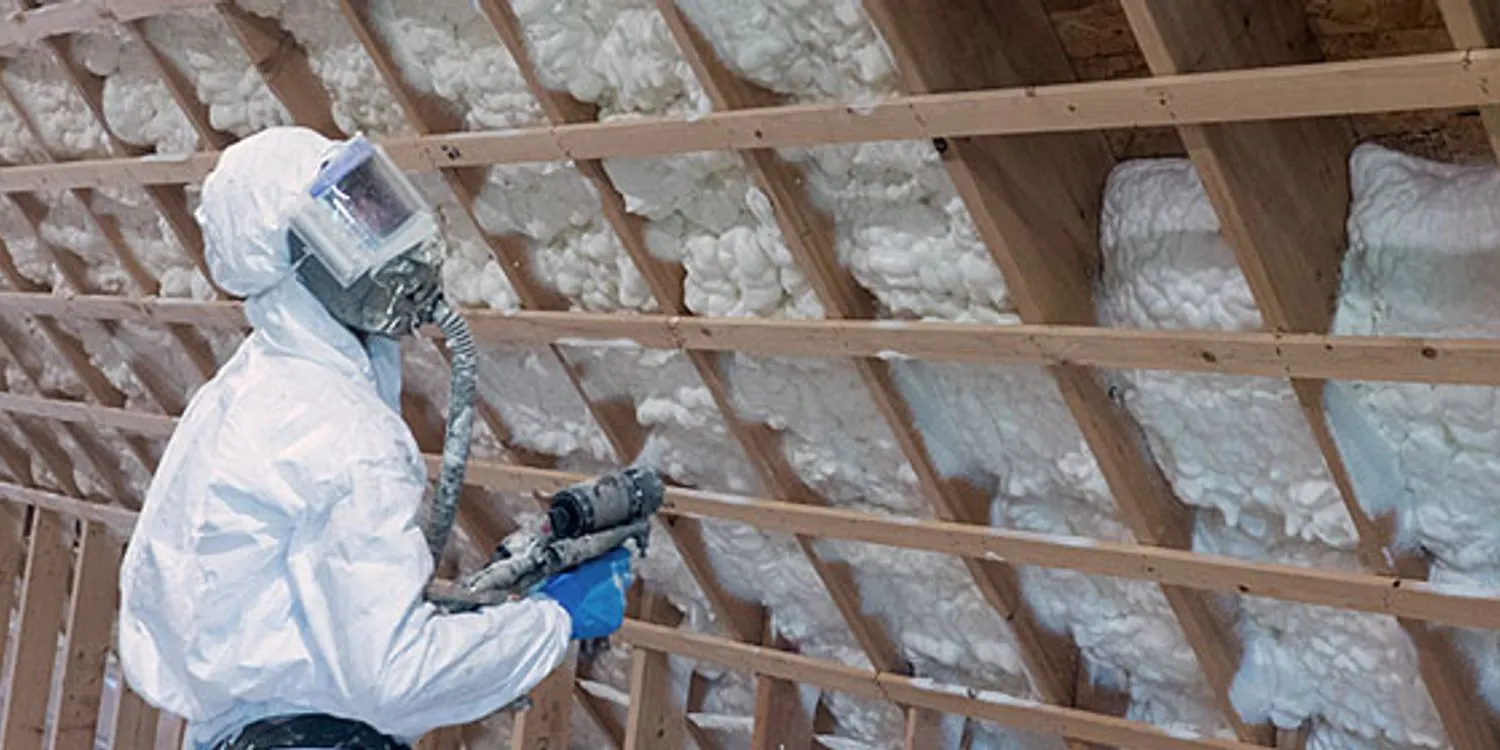
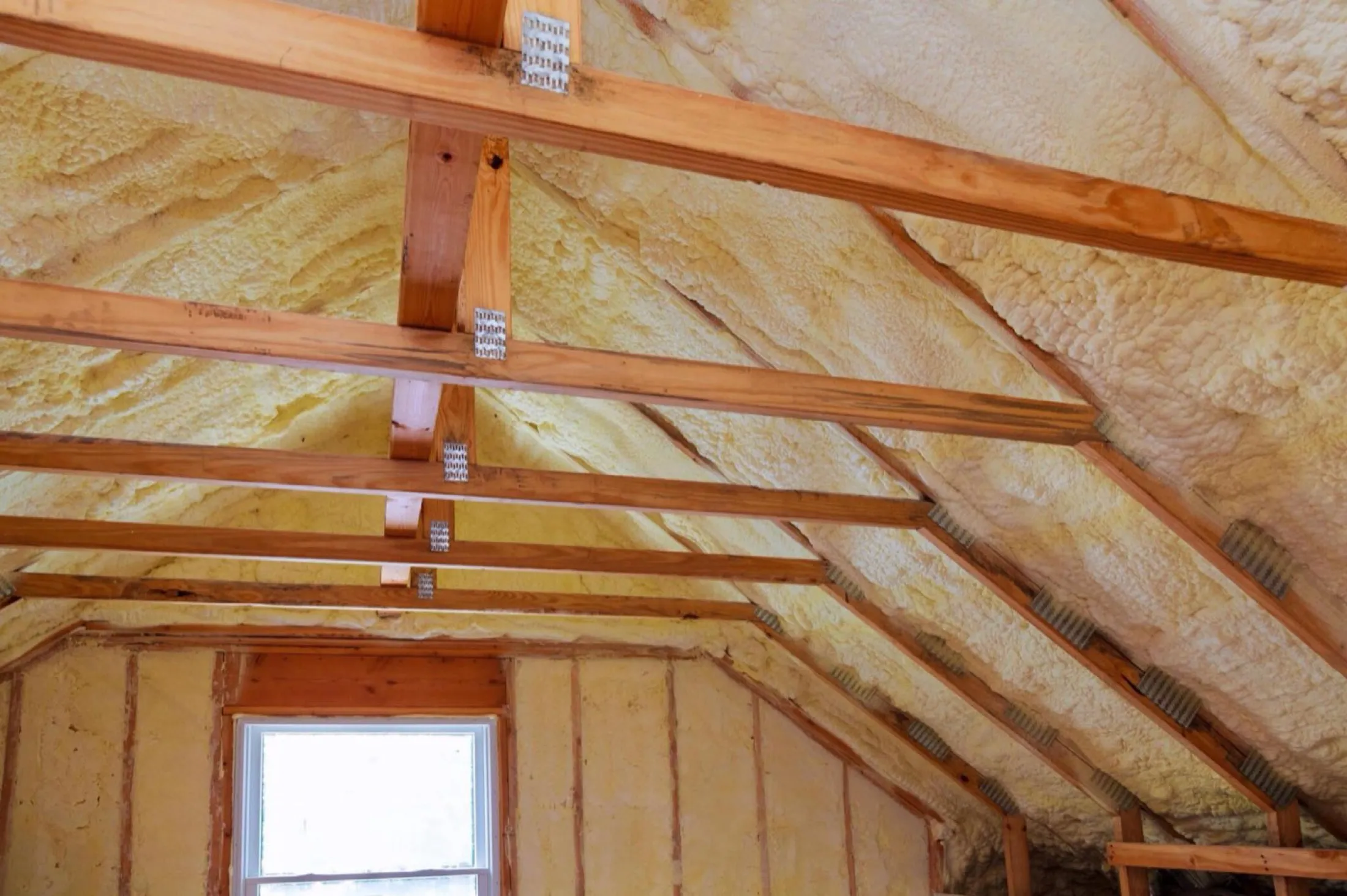
Spray foam insulation is available as a secondary service for targeted applications, such as sealing around can lights or treating specific problem areas, but for most Tucson attics the combination of deep blown-in insulation, air sealing, and a radiant barrier delivers the best value per dollar. We will tell you straight what your attic needs and what it does not.
Blown-In Insulation: The Workhorse for Tucson Attics
Blown-in insulation, also called loose-fill, is the most common upgrade we install in Tucson. A blowing machine feeds fiberglass or cellulose through a long hose, and the installer lays down an even blanket across the attic floor, around ductwork, and into odd corners that batts cannot reach. That complete coverage matters in the desert, because even a small uninsulated strip becomes a hot spot on your ceiling.
Fiberglass blown-in resists moisture and holds its depth well in dry climates like ours. Cellulose is made mostly from recycled paper and packs tightly around obstructions. Both work well in Tucson when installed to the right depth. To reach common targets like R-38, you are generally looking at roughly 13 to 16 inches of blown material depending on the product. We measure depth with marked rulers so you can see exactly what you are getting.
Radiant Barriers for Relentless Sonoran Sun
Insulation slows heat that is already moving. A radiant barrier stops a big share of that heat before it ever starts. A radiant barrier is a reflective foil layer installed under the roof deck or draped over the attic floor, and it reflects radiant heat from the hot roof back outward instead of letting it soak into the attic. In a climate where the sun hammers your roof 300 days a year, that reduction in attic temperature makes a real difference in how hard your AC has to work.
A radiant barrier is not a replacement for insulation, and we will never sell it as one. The two work as a team: the barrier cuts the radiant load, the insulation slows the conductive load, and air sealing keeps your cooled air where it belongs. For many Tucson homes, this three-part approach is the single most effective upgrade we offer.
Attic Insulation Removal in Tucson
Sometimes the right first step is getting the old material out. Tucson attics collect decades of settled, dusty, rodent-disturbed insulation. Pack rats and roof rats are a fact of life in the desert, especially in homes near washes or backed up to open desert, and they tunnel through insulation, compress it, and leave contamination behind. Insulation that has been flattened to half its original depth does half its original job, no matter what it was rated when it went in.
Our removal process uses high-powered vacuum equipment that pulls old insulation and debris straight out of the attic into sealed bags, without tracking it through your home. Once the attic floor is clean, we can air seal penetrations that were buried for years and then install fresh blown-in insulation to full depth. The before and after difference in summer comfort is usually obvious within the first week.
What R-Value Does a Tucson Attic Need?
Tucson sits in IECC climate zone 2, the hot desert lowland zone. The U.S. Department of Energy recommends attic insulation levels of R-38 to R-60 for homes in this zone, with R-38 as the floor for most existing homes and R-49 or higher being a smart target if your attic is currently thin. R-value measures resistance to heat flow, so higher numbers mean slower heat transfer through your ceiling.
Here is something most Tucson contractors will not mention because they only work in one city: Arizona spans climate zone 2 down in the desert and zones 4 and 5 up in the high country, and the right R-value changes with elevation. Because Arizona Attic Insulation works statewide, we size every job to the actual zone your home sits in, not a one-size answer. When we inspect your Tucson attic, we measure what you have, calculate what you need, and show you the math.
Signs Your Tucson Attic Needs Attention
Most homeowners do not climb into the attic until something feels wrong. Watch for these telltales: rooms that will not cool down even with the AC running, big temperature differences between rooms, energy bills that climb every summer, an air conditioner that cycles almost nonstop from June through September, or a ceiling that feels warm to the touch on hot afternoons. If you do peek into the attic and you can see the tops of the ceiling joists, your insulation is almost certainly below the depth a Tucson home needs.
Homes built before the mid-1990s are prime candidates, because insulation standards were lower then and materials settle over time. But even newer homes around Rita Ranch, Civano, or the northwest side often get only the code-minimum depth from the builder. A free inspection takes about an hour and tells you exactly where you stand. Call (602) 960-3654 to set one up.
Typical Attic Insulation Costs in Tucson
Every attic prices differently based on size, access, current condition, and what material you choose, so treat the following as typical ranges, not quotes. In the Tucson market, blown-in fiberglass insulation typically runs around $1.00 to $2.00 per square foot installed depending on depth. Insulation removal typically adds roughly $1.00 to $2.50 per square foot depending on how much material comes out. Radiant barrier installation typically falls in a similar per-square-foot range depending on the method used.
Air sealing is usually priced by the scope of penetrations rather than square footage. The honest way to get a real number is an inspection, which costs you nothing. We measure, we show you photos from inside your attic, and we give you a written price for the exact work we recommend. Call (602) 960-3654 to schedule yours.
Frequently Asked Questions
How much attic insulation does a Tucson home need?
For Tucson's climate zone 2, the Department of Energy recommends R-38 to R-60 in the attic. With blown-in fiberglass, R-38 is roughly 13 to 16 inches of depth depending on the product. Most older Tucson homes we inspect have R-19 or less once you account for settling, so topping off to current recommendations is the most common job we do.
Is a radiant barrier worth it in Tucson?
In Tucson's sun, yes, in most cases. A radiant barrier reflects roof heat before it enters the attic, which lowers attic temperatures and takes load off your AC during the long cooling season. It works best paired with adequate insulation and air sealing, not as a standalone fix. During your inspection we can tell you whether your roofline and attic layout make one a good fit.
How long does a blown-in insulation job take?
Most blown-in attic jobs on an average-sized Tucson home are finished in a single day, often in just a few hours. Jobs that include removal take longer, typically one to two days depending on how much old material comes out. You can stay in the home during the work, and the comfort difference is usually noticeable the same week.
Can you insulate an older home near downtown Tucson?
Yes, and older homes are often the biggest winners. Many homes in central Tucson, Sam Hughes, and the older midtown neighborhoods have original insulation that has settled for decades, or none at all in spots. Blown-in installation requires no demolition in most cases, since we bring material in through the attic access or a gable vent.
Will new attic insulation lower my TEP bill?
Proper attic insulation reduces the heat entering your living space, so your air conditioner runs less to hold the same temperature. Actual savings depend on your home, your habits, and your starting insulation level, so we do not promise a specific percentage. What we can tell you is the attic is usually the largest single source of heat gain in a Tucson summer.
Do I need to remove my old insulation first?
Not always. If your existing insulation is dry, clean, and reasonably intact, we can blow new material right over the top to reach full depth. Removal makes sense when insulation is contaminated by rodents, wet from roof leaks, heavily compacted, or hiding air sealing work that needs to happen at the ceiling level. We will show you photos and let the condition decide.
Do you offer spray foam in Tucson?
Yes, as a secondary service for targeted applications. Spray foam works well for sealing specific problem areas, but for most Tucson attics the better value is deep blown-in insulation plus air sealing, with a radiant barrier where the roof exposure justifies it. We install what your attic actually needs rather than pushing the highest-ticket option. Call (602) 960-3654 to talk it through.
Insulation Services Available in Tucson
Need Spray Foam in Tucson?
Talk with our team about your home, building or upcoming project.
Common Questions
Do you provide insulation services in Tucson?
Yes. Arizona Attic Insulation provides residential and commercial insulation in Tucson, including spray foam insulation, blow-in insulation, batt insulation, radiant barriers, insulation removal, with free written estimates.
What type of insulation is best for Tucson homes?
It depends on the building. Attics, walls, garages and additions each hold and lose heat differently, so we assess the space during a free estimate and recommend the material that fits rather than defaulting to one method.
How do I get a free insulation estimate in Tucson?
Call us and we will schedule an on-site assessment of your Tucson property, then give you a written scope and price before any work begins.