
Blow-In Insulation in Arizona
Blown-in fiberglass and cellulose attic insulation, installed to code R-values.
Blow-In Insulation for Arizona Attics
Blow-in insulation is the workhorse of Arizona attic upgrades, and it is the service we recommend most often. Loose-fill fiberglass or cellulose is blown through a hose and spread evenly across the attic floor to whatever depth your climate zone calls for, filling in around joists, wiring, and ductwork in a way batts never can. Arizona Attic Insulation installs blow-in insulation statewide, from desert lowland homes in Phoenix and Tucson to high country attics in Flagstaff and Prescott. Call (602) 960-3654 to schedule a free attic inspection.
Most Arizona homes we inspect are under-insulated for their elevation. Builders often install the minimum the code required at the time, and decades of settling, foot traffic, and duct work compress what is there. Blow-in is the fastest, most cost-effective way to bring an attic from R-19 or less up to R-38, R-49, or beyond, usually in a single visit.
Why Blow-In Is Our Most Recommended Attic Upgrade
The math is simple. In most Arizona attics, heat gain through the ceiling is the single biggest load your air conditioner fights all summer. Adding blown insulation to the attic floor raises the R-value of that ceiling plane for a fraction of what spray foam costs, and it does the job without demolition, without vacating the house, and usually in a few hours.
Blow-in also conforms to reality. Real attics have cross-bracing, junction boxes, recessed lights, odd corners, and duct runs crossing the joists. Blown material flows around all of it and leaves no gaps at framing edges, which is where batt insulation typically fails. For a flat or gently sloped attic floor with reasonable access, blow-in delivers the most R-value per dollar of anything we install.
Fiberglass vs Cellulose Blow-In
Blown fiberglass is made from spun glass fibers, much of it recycled content, and it is the most common blow-in material in Arizona. It does not absorb moisture, it does not provide a food source for pests, and it holds its loft well in dry desert heat. Installed R-value runs about R-2.2 to R-2.7 per inch, so reaching R-38 takes roughly 14 to 17 inches of depth.
Blown cellulose is made from recycled paper treated with fire retardant, and it delivers about R-3.2 to R-3.8 per inch, so you reach target R-values with less depth. Cellulose is denser, does a slightly better job slowing air movement through the material itself, and is a strong choice for topping off existing settled cellulose. It does settle over time, which we account for by installing above the target depth.
Both materials are solid performers in Arizona. Fiberglass tends to win in the desert lowland where moisture is rarely a factor and loft retention matters. Cellulose earns consideration where depth is limited or where its density helps. We install both and will show you the per-inch numbers for your attic before you decide.
How Deep Should Your Attic Insulation Be
Arizona spans climate zone 2 in the desert lowland and climate zones 4 and 5 in the high country, and the U.S. Department of Energy recommendations reflect that split. In Phoenix, Tucson, Yuma, and the surrounding areas, attics typically call for R-30 to R-60, with R-38 the most common target. In Flagstaff, Williams, Show Low, and other high elevation communities, R-49 to R-60 is the recommended range.
Translated into blown fiberglass, R-38 means about 14 to 17 inches on the attic floor, and R-49 means roughly 18 to 22 inches. Cellulose gets there a few inches shallower. During your inspection we measure what you have now, calculate the gap to the target for your zone, and quote the exact depth needed to close it. We also install depth markers in the attic so the finished R-value is verifiable, not just promised.
Air Sealing Comes First
Insulation slows heat transfer, but it does not stop air movement. If your attic floor is full of gaps around can lights, plumbing stacks, duct chases, and top plates, conditioned air will keep leaking into the attic no matter how deep the insulation is. That is why we air seal the attic floor before we blow, using foam and caulk at every penetration we can reach.
Skipping this step is the most common shortcut in the industry, and it is the reason some homeowners add insulation and barely feel the difference. Sealing first, then insulating to full depth, is what actually drops attic-driven cooling loads. It is standard practice on every blow-in job we do, and it is built into our quotes.
The Blow-In Installation Process
A blow-in job starts with the inspection: we measure the attic, check existing depth and condition, identify air sealing needs, and confirm there are no knob-and-tube wiring, moisture, or rodent issues that need handling first. If old insulation is contaminated or damaged, removal gets scheduled before the new material goes in.
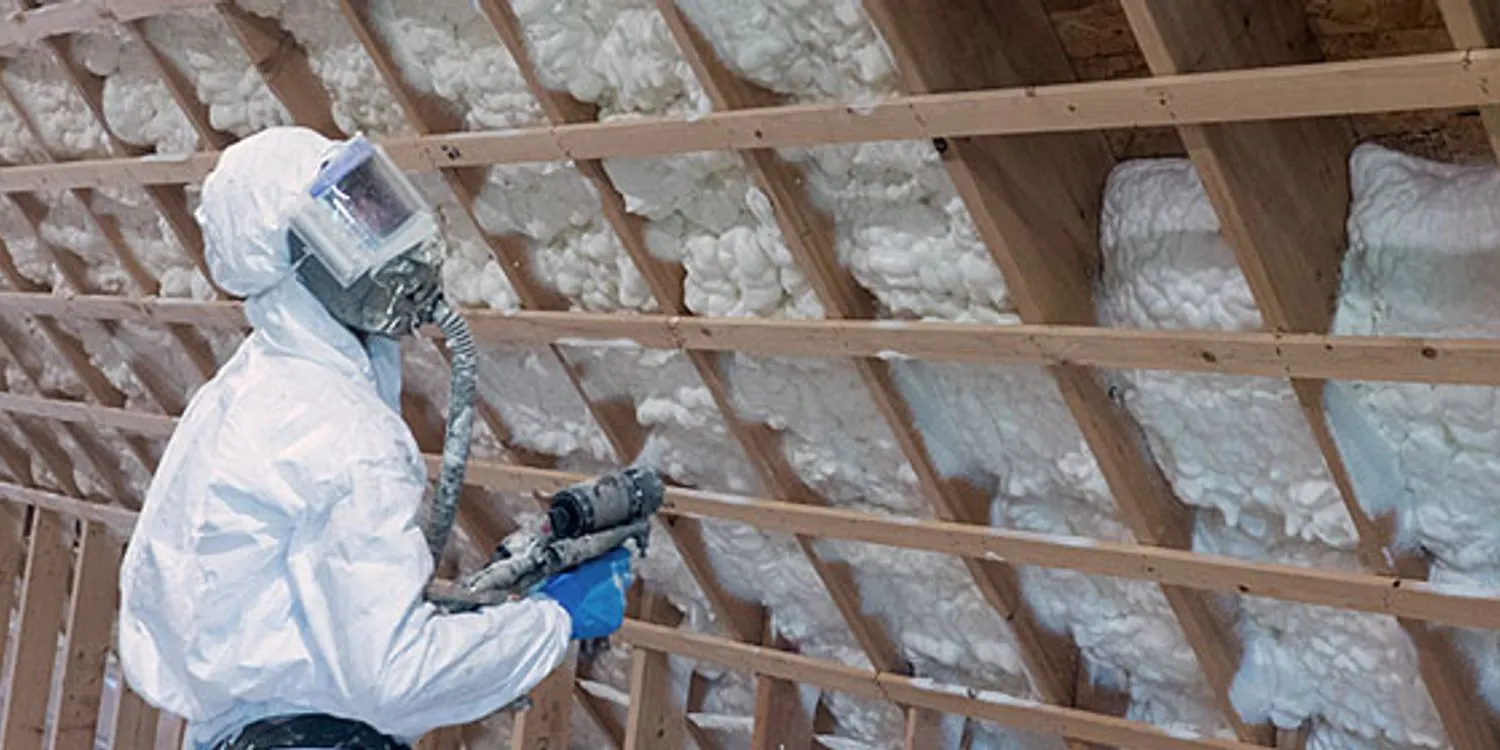
On install day, the blowing machine stays outside or in the truck and material travels through a hose into the attic. Two crew members are typical: one feeding the machine, one directing the hose. We seal penetrations first, install baffles at the eaves to keep soffit vents open, blow to the specified depth across the entire floor, and set depth markers. Most attics are finished the same day.
Before we leave, we confirm depth in multiple locations, walk you through photos of the finished attic, and make sure the attic access is properly insulated and sealed too. The access hatch is one of the most overlooked leak points in the whole house.
Blow-In Insulation Cost in Arizona
Typical installed costs for blow-in insulation in Arizona run roughly $1.00 to $2.50 per square foot depending on material, target depth, access, and whether air sealing or removal is part of the scope. Those are typical ranges, not a quote. A 1,500 square foot attic brought up to R-38 will land at a different number than a 900 square foot attic topped off to R-49, and the only reliable figure comes from measuring your attic.
What we can tell you up front: blow-in is the most affordable path to code-level attic R-values, the payback through reduced cooling costs is typically measured in a handful of years, and utility rebates have historically been available for attic insulation upgrades in parts of Arizona. We will point you toward current programs when we write your estimate. Call (602) 960-3654 for a free quote.
Signs Your Attic Is Under-Insulated
Your house tells you when the attic is under-insulated. Upstairs rooms that will not cool down in July. Cooling bills that climb every summer while your habits stay the same. A second floor that runs five to eight degrees hotter than the first. An air conditioner that runs nearly nonstop from June through September. All of these point at the ceiling plane.
You can check the attic yourself with a flashlight and a tape measure. If you can see the tops of your ceiling joists, you are almost certainly below R-30. If the insulation is thin, patchy, discolored, or compressed, it is underperforming regardless of its rated depth. Or skip the ladder and let us measure it for you during a free inspection.
Get a Free Blow-In Estimate
Arizona Attic Insulation installs blow-in fiberglass and cellulose statewide, with air sealing included as standard practice. We serve desert lowland and high country homes alike, and every estimate includes measured existing depth, target R-value for your climate zone, and a firm written price. Call (602) 960-3654 to schedule your free attic inspection.
Real Arizona Projects
Other Insulation Services
Common Questions
Is blow-in insulation a good fit for Phoenix-area buildings?
Yes. Blow-In Insulation works well for many Phoenix-area homes and commercial buildings, but the right choice depends on the space, the assembly and how it is used. During a free estimate we confirm whether blow-in insulation or another option fits your building.
How much does blow-in insulation cost?
Cost depends on the area being treated, the material and thickness, access and prep. Estimates are free and given in writing, so you know the price before any work begins.
How long does a blow-in insulation project take?
Most projects are completed quickly once scheduled. Your written estimate includes the expected timeline for your specific Phoenix-area project.
Want to Know What Your Project Would Cost?
Tell us about the property and we'll help you determine the next step.
Free Written Estimates • No Obligation • Local Arizona Team