
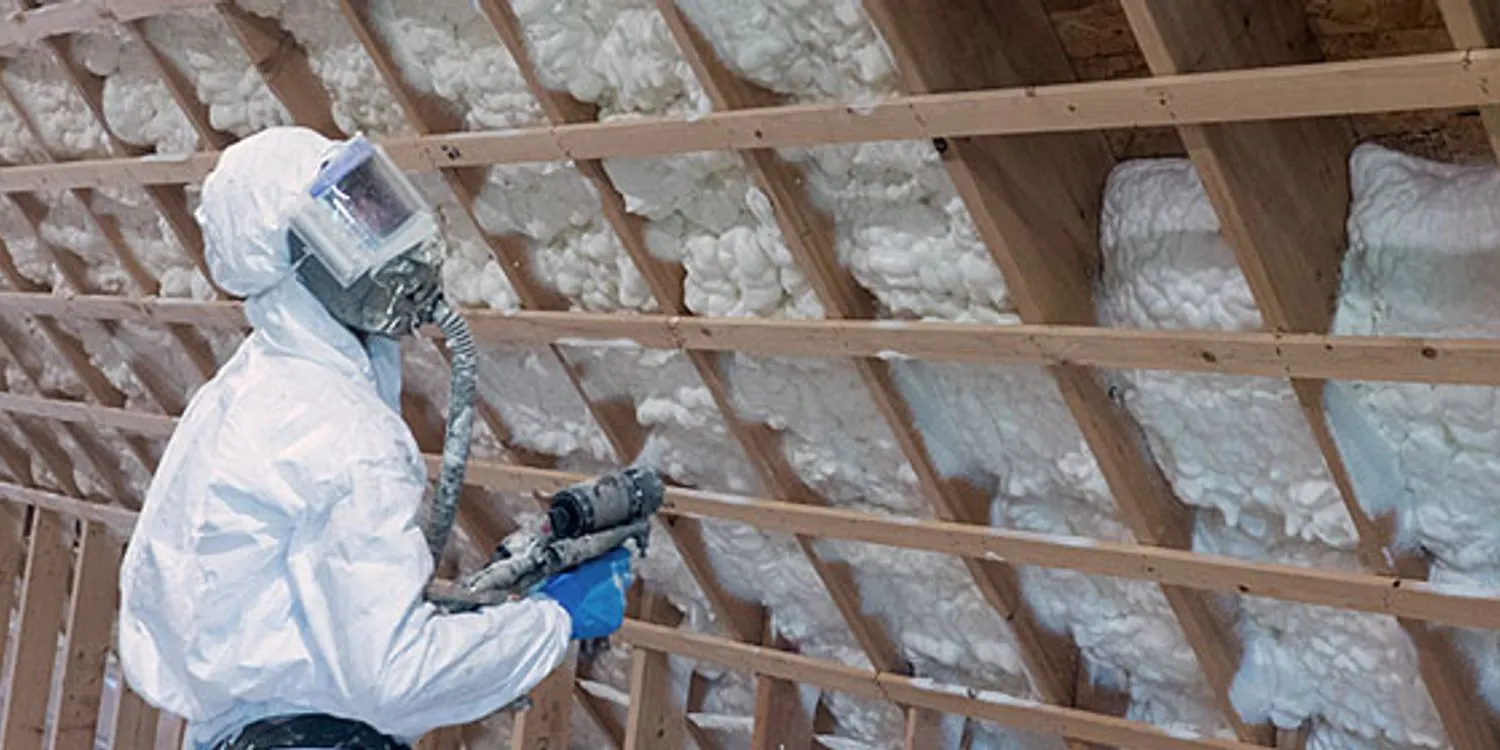
Radiant Barriers in Arizona
Attic radiant barrier installation to cut Arizona summer heat gain.
Radiant Barrier Installation in Arizona
A radiant barrier is a reflective surface, usually aluminum foil laminated to a substrate, installed in the attic to reflect radiant heat back toward the roof before it can heat up your insulation and your ceiling. In a state where roof surfaces routinely hit 160 degrees or more under summer sun, that reflected heat adds up. Arizona Attic Insulation installs radiant barriers statewide as part of our attic-first service lineup. Call (602) 960-3654 to schedule a free attic evaluation.
Radiant barriers are not insulation, and they do not replace insulation. They attack a different part of the heat problem, and in Arizona's desert lowland they are one of the highest-value additions you can make to an already well-insulated attic. We will explain exactly how that works below, in plain terms.
How a Radiant Barrier Works in Your Attic
Heat moves three ways: conduction through solid materials, convection through moving air, and radiation through open space. On a summer afternoon, your roof absorbs solar energy and the underside of the roof deck radiates that heat down into the attic. That radiant energy strikes whatever is below it, your attic floor insulation, your ductwork, your ceiling framing, and heats all of it up.
A radiant barrier interrupts that transfer. Aluminum reflects radiant energy instead of absorbing it, and a properly installed foil surface reflects the large majority of the radiant heat striking it back toward the roof. The result is a measurably cooler attic, less heat soaking into the insulation below, and less load on your air conditioner during the hours when it is working hardest.
One requirement matters more than any other: the foil must face an air gap. Radiant heat transfer only happens across open space, so a barrier pressed flat against another surface does nothing. Correct installation maintains that air space, and it is the detail that separates a working barrier from expensive shiny paper.
Why Radiant Barriers Matter More in Arizona
Radiant barriers were developed for hot, sunny climates, and Arizona is the extreme case. The desert lowland stacks long cooling seasons, intense sun, and huge roof surface temperatures on top of each other for five to six months a year. Studies in hot climates have found that attic radiant barriers can reduce ceiling heat gain meaningfully, with the largest savings in exactly the conditions Phoenix and Tucson homes face daily.
The biggest wins show up in homes with ductwork or air handlers in the attic. Every degree you knock off peak attic temperature is a degree your ducts are not fighting. A barrier that drops attic peak temps noticeably can reduce the heat your duct system absorbs on every cooling cycle, which is why we often recommend barriers specifically for homes with attic HVAC equipment.
Radiant Barriers and Insulation Do Different Jobs
This is the most important distinction on this page. Insulation resists conductive heat flow; it slows heat moving through your ceiling. A radiant barrier reflects radiant heat; it stops heat from radiating down into the attic in the first place. Neither one does the other's job, and R-value does not apply to radiant barriers because they are not rated on conductive resistance at all.
An attic with a radiant barrier and thin, tired insulation is still an under-insulated attic. An attic with deep R-49 insulation and no barrier still absorbs radiant heat from the roof deck all summer. The complete Arizona attic addresses both mechanisms, plus air sealing at the ceiling plane, and that combination is where the real comfort and bill improvements come from.
Where a Radiant Barrier Gets Installed
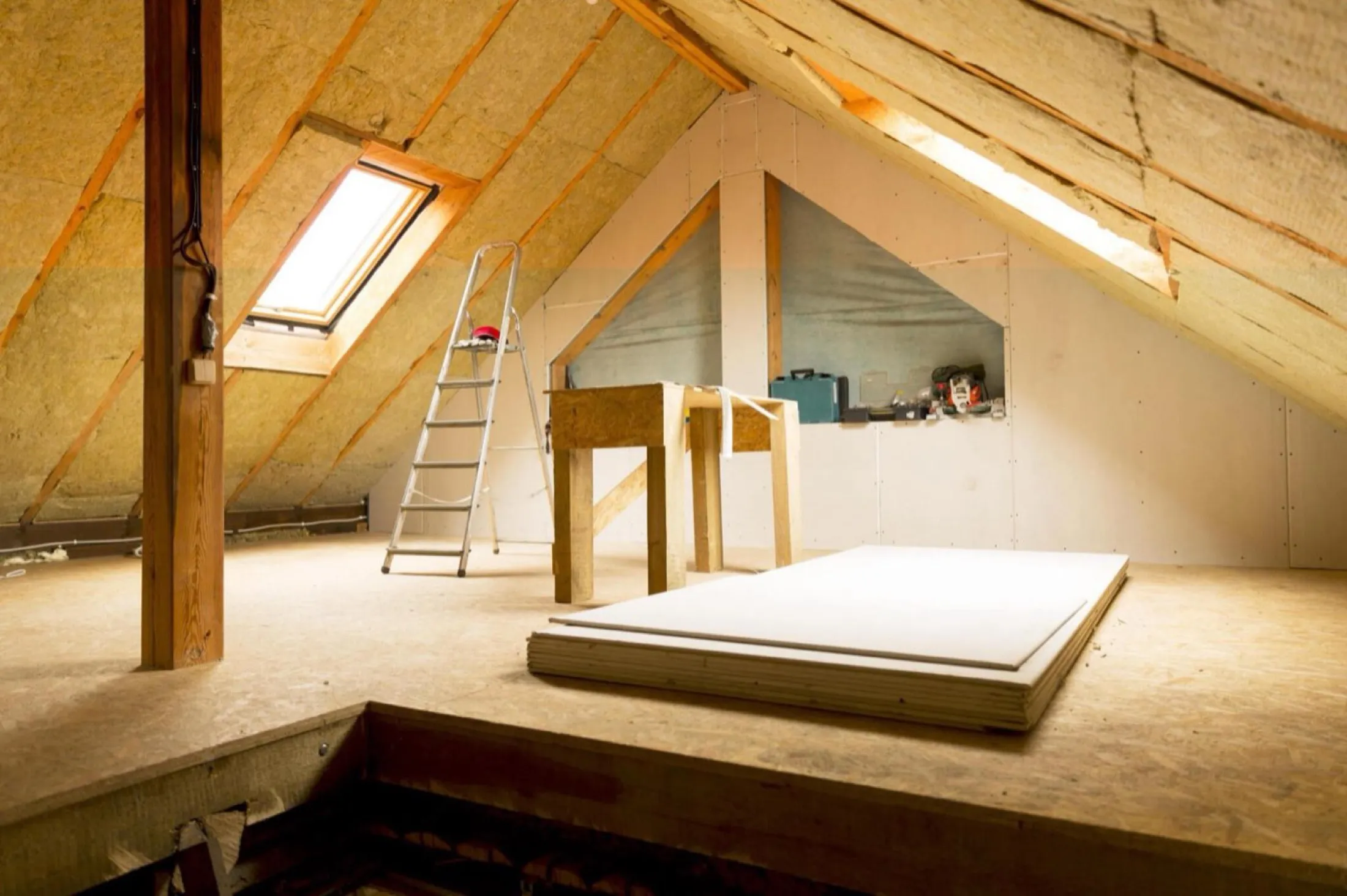
The standard installation staples foil to the underside of the roof rafters, facing down into the attic air space. This covers the full roof plane, keeps the barrier up and away from the insulation, and stays clean, because dust accumulation on a reflective surface degrades performance over time. Rafter-mounted foil is our default recommendation for existing homes.
A second configuration lays perforated foil over the attic floor insulation. It can be effective but it collects dust, which reduces reflectivity, and it complicates any future attic work. We generally steer homeowners toward the rafter-mounted approach for durability.
Some homes also benefit from foil-faced sheathing on new construction or re-roofing projects, where radiant barrier decking is installed from the start. If you are re-roofing, that conversation is worth having with us before the new roof goes on.
Radiant Barrier Cost in Arizona
Typical installed costs for radiant barriers in Arizona run roughly $0.50 to $1.50 per square foot of attic footprint for rafter-mounted foil, depending on attic height, access, roof complexity, and total area. Those are typical ranges, not a quote. Tall attics with easy access price lower than cramped, cut-up rooflines with lots of valleys and dormers.
Compared to other attic upgrades, barriers sit at the affordable end, and they are frequently bundled with blow-in or insulation removal work on the same visit, which reduces the combined cost. We quote every attic individually and in writing. Call (602) 960-3654 for a free evaluation and firm price.
Pairing a Radiant Barrier With Attic Insulation
Our most common desert lowland specification looks like this: air seal the ceiling plane, blow insulation to R-38 or better, and mount a radiant barrier at the roofline. Each layer handles a different heat mechanism, and together they cut the summer load on your cooling system from three directions at once.
The order of operations matters. Removal of contaminated or degraded insulation comes first if needed, then air sealing, then new insulation depth, then the barrier. Homes with attic ductwork see some of the strongest results from this combination, because the barrier cools the environment the ducts live in while the insulation slows whatever heat remains.
High Country Considerations
Arizona spans climate zone 2 in the desert and climate zones 4 and 5 in the high country, and the radiant barrier case changes with elevation. In Flagstaff, Williams, and Show Low, cooling seasons are shorter and heating seasons are long. A radiant barrier still helps in summer, but the payback math is different, and deep insulation to R-49 or R-60 usually deserves the first dollar.
High country homes with strong summer sun exposure, metal roofs, or attic ductwork can still justify a barrier, and we install them up north regularly. What we will not do is sell a barrier as the first priority in a heating-dominated climate. During your evaluation we will rank the upgrades for your specific home by expected impact, and tell you honestly where a barrier falls on that list.
Schedule a Free Attic Evaluation
Arizona Attic Insulation installs radiant barriers statewide, usually as part of a complete attic package with air sealing and insulation. Every evaluation is free, every quote is in writing, and every recommendation is based on your attic, your elevation, and your climate zone. Call (602) 960-3654 to schedule.
Radiant Barriers and Attic Ventilation: A System, Not a Single Product
A radiant barrier lowers the heat radiating into your attic, but the heat that still gets in needs a way out. That is the job of attic ventilation. Cooler outside air enters through soffit vents at the eaves, travels up along the underside of the roof deck, and exits through ridge or roof vents near the peak. When that airflow path works, superheated attic air is constantly being replaced. When it does not, heat pools under the roof and your barrier and insulation both end up fighting a hotter environment than they should.
During every radiant barrier evaluation we check the ventilation picture, because the two upgrades depend on each other. Common problems we find in Arizona attics include soffit vents painted shut or buried under blown insulation, missing baffles at the eaves, bath fans dumping moist air into the attic instead of outside, and vent layouts that exhaust air right next to where it enters. Installing baffles before new insulation goes in keeps the intake path permanently open, and it is a small line item that protects the performance of everything above it.
A word on powered attic fans: they move a lot of air, but if your ceiling plane is not air sealed first, that fan can pull cooled air straight out of your living space through every gap around lights and penetrations. The sequence we follow is seal the ceiling, confirm passive ventilation is balanced, then consider mechanical help only if the attic still runs hot.
Elevation shapes the ventilation side of the equation too. Desert lowland attics need maximum exhaust capacity through a six month cooling season. High country attics in Flagstaff, Williams, and Show Low need steady winter airflow to carry moisture out and keep the roof deck cold under snow. We size the recommendation to your climate zone, not a generic template. Call (602) 960-3654 to schedule a free attic evaluation.
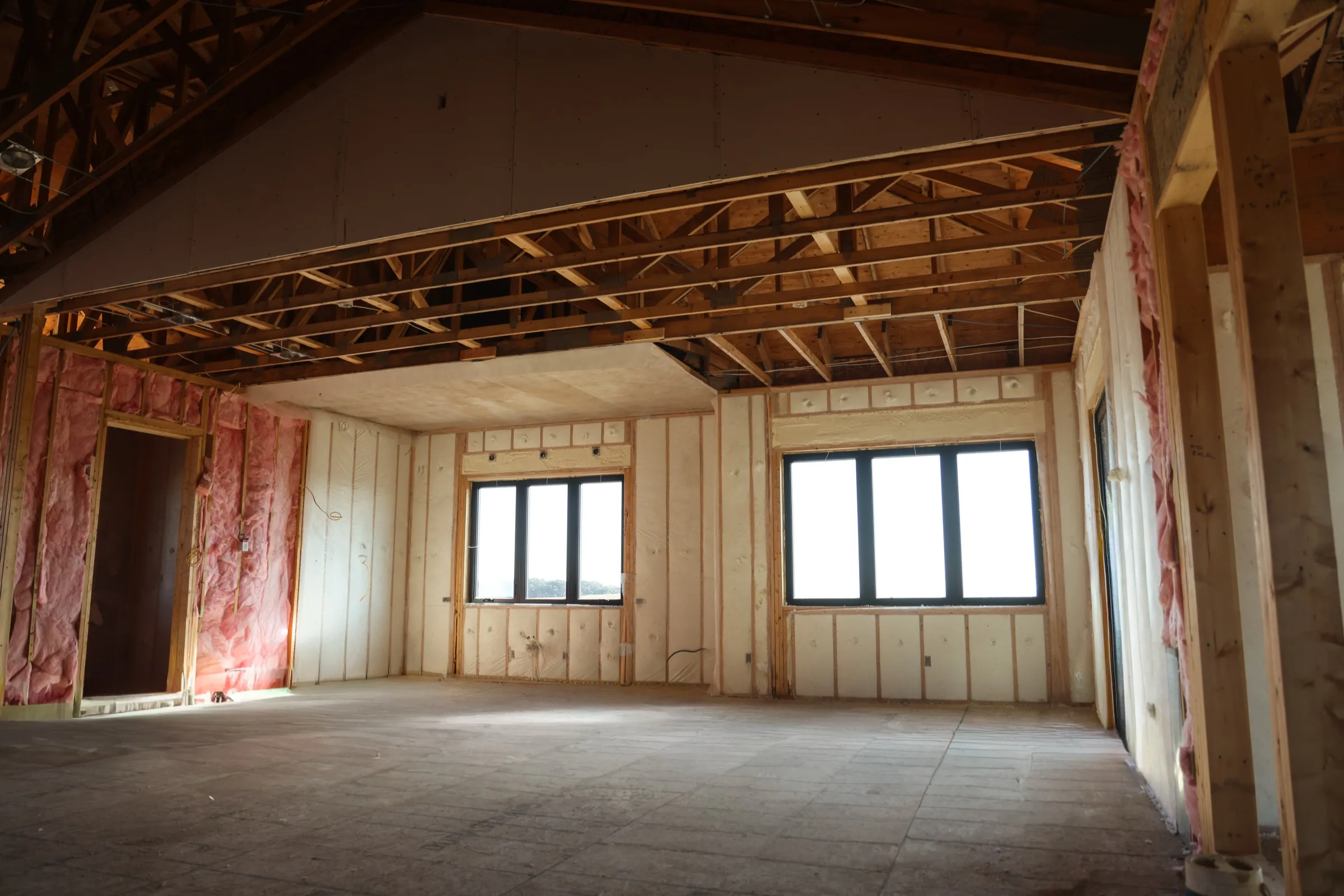
Real Arizona Projects
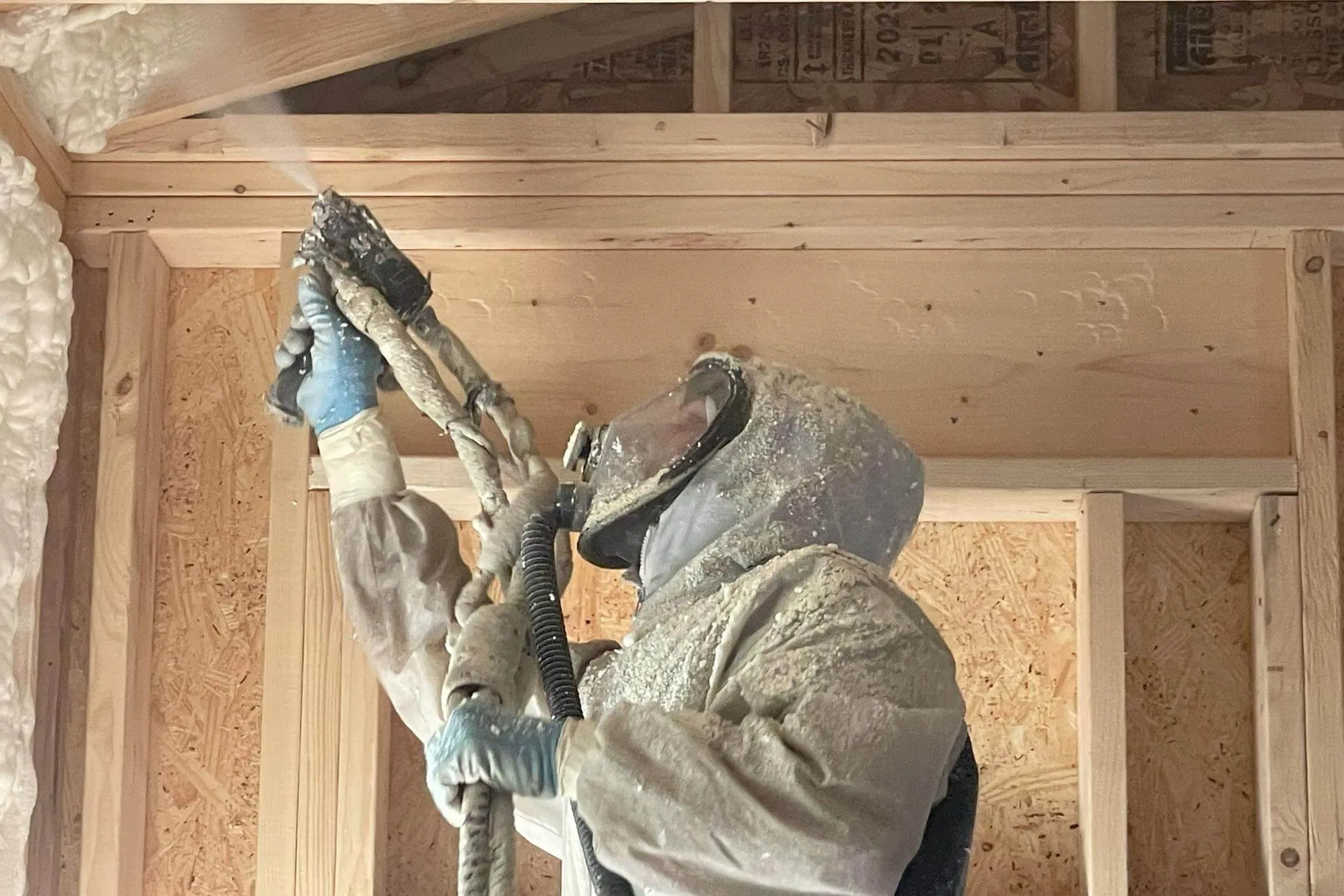
Other Insulation Services
Common Questions
Is radiant barriers a good fit for Phoenix-area buildings?
Yes. Radiant Barriers works well for many Phoenix-area homes and commercial buildings, but the right choice depends on the space, the assembly and how it is used. During a free estimate we confirm whether radiant barriers or another option fits your building.
How much does radiant barriers cost?
Cost depends on the area being treated, the material and thickness, access and prep. Estimates are free and given in writing, so you know the price before any work begins.
How long does a radiant barriers project take?
Most projects are completed quickly once scheduled. Your written estimate includes the expected timeline for your specific Phoenix-area project.
Want to Know What Your Project Would Cost?
Tell us about the property and we'll help you determine the next step.
Free Written Estimates • No Obligation • Local Arizona Team