
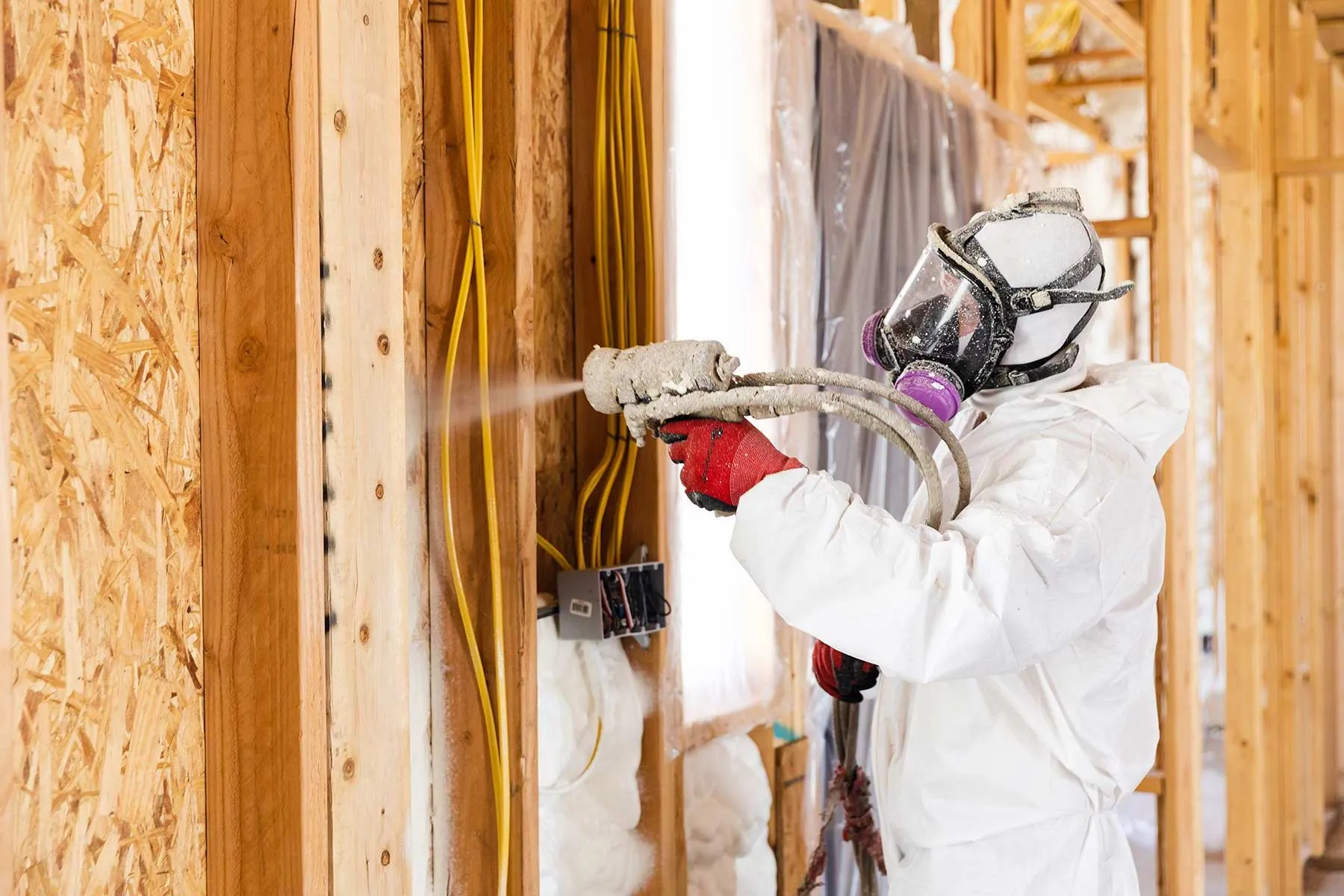
Spray Foam Insulation in Prescott, AZ
Professional spray foam insulation for Prescott homes, garages, additions, metal buildings and commercial properties.
Attic Insulation Prescott, AZ
January mornings in Prescott start in the twenties, and by July the afternoon sun is pushing ninety. That swing is exactly why attic insulation matters more here than almost anywhere else in Arizona. Your attic has to keep heated air in during months of freezing nights, then keep summer heat out when the high-country sun turns your roof into a griddle. Arizona Attic Insulation serves Prescott homeowners with blown-in insulation, batt insulation, insulation removal, radiant barriers, and air sealing sized for mile-high weather. Call (602) 960-3654 for a free attic inspection.
We are a statewide attic-first insulation company working as a service-area business, which means we come to you anywhere in the Prescott area, including Prescott Valley, Chino Valley, and Dewey-Humboldt. From historic Victorians near the courthouse square to manufactured homes out past Williamson Valley, we size every job to Prescott's real climate, not Phoenix's.
Four Real Seasons at 5,300 Feet
Prescott is not the Arizona most people picture. At roughly a mile of elevation, the city sits in IECC climate zones 4 and 5 territory, with cold winters, genuine snow, and freeze-thaw cycles that desert lowland homes never face. Down in Tucson or Phoenix, insulation is mostly about keeping heat out. In Prescott, it works double duty: holding expensive heated air inside from November through March, then blocking solar heat from May through September.
Arizona is unusual because it spans climate zone 2 in the desert lowlands and zones 4 and 5 in the high country, all in one state. R-value recommendations change with elevation, and a Prescott attic needs deeper insulation than a Tucson attic to hit the same performance. Because we work statewide, we do not apply desert rules to mountain homes. Your heating bills in January deserve the same attention as your cooling bills in July.
Insulation Services We Provide in Prescott
We start every job with an attic inspection, then recommend only what the space needs. For Prescott homes that typically means blown-in fiberglass or cellulose insulation to reach high-country depths, batt insulation for accessible walls and garage ceilings, insulation removal for contaminated or compacted material, air sealing to stop the drafts that make winter rooms feel cold no matter how high the thermostat runs, and radiant barriers where summer sun exposure justifies them.
Spray foam insulation is available as a secondary option for specific applications like rim joists, cantilevered floors, and sealing tricky penetrations, but deep blown-in insulation with proper air sealing is the right answer for most Prescott attics. We will walk you through the options with photos from your own attic so the decision is based on evidence, not a sales script.
R-Value Targets for Prescott's High Country
R-value measures how well insulation resists heat flow, and in Prescott that resistance has to work in both directions. The U.S. Department of Energy recommends attic levels of R-49 to R-60 for homes in climate zones 4 and 5, which is a noticeably deeper blanket than the desert lowlands require. In practical terms, that often means 16 to 20 inches or more of blown-in material, depending on the product.
If your Prescott home was built decades ago, there is a good chance the attic holds half of that or less, especially after years of settling. During your inspection we measure existing depth, identify the product, and calculate exactly what it takes to bring the attic up to high-country targets. Call (602) 960-3654 to get on the schedule.
Blown-In or Batts: Choosing the Right Material
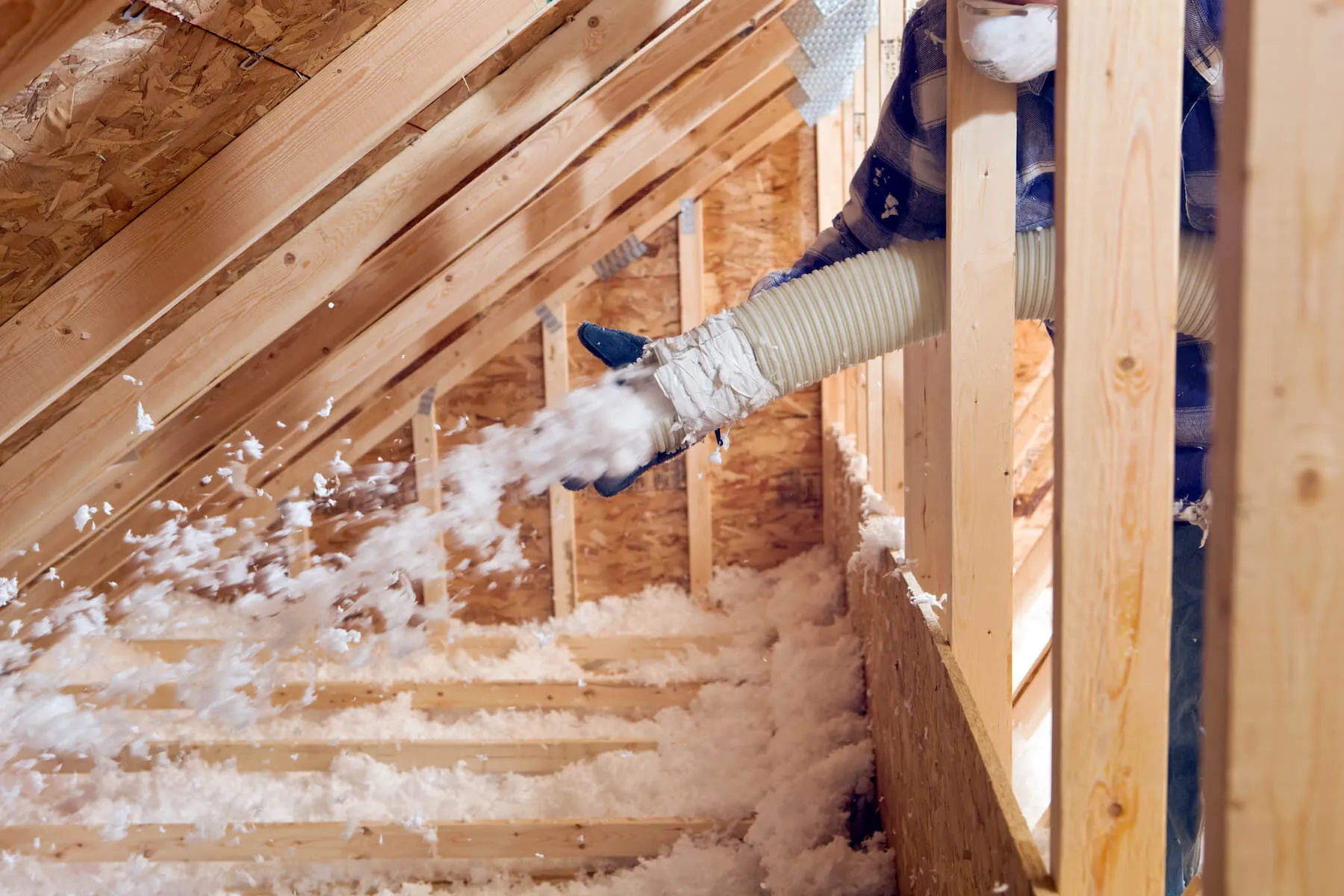
Blown-in insulation is the workhorse for most Prescott attics. The blowing hose reaches around chimneys, wiring, and framing, laying down a continuous blanket with no gaps at the edges. That gap-free coverage matters in a heating climate, because every thin spot becomes a cold stripe across your ceiling in January. Fiberglass and cellulose both perform well here when installed to the correct depth and density.
Batt insulation still earns its place in specific spots: garage ceilings, knee walls, accessible rafters, and new construction with open framing. Batts install cleanly where cavities are regular and open, and they make later access easier. In many Prescott homes we use both, blown-in across the main attic floor and batts where the geometry calls for them. The right answer is whatever covers your attic completely, and the inspection tells us which that is.
Removal, Rodents, and Tired Old Insulation
Prescott's wooded lots and pinyon-juniper terrain are beautiful, and they are also prime habitat for pack rats, mice, and squirrels that love a warm attic in winter. We regularly open attics in older Prescott neighborhoods and find insulation tunneled through, compressed, and contaminated by years of rodent activity. Material in that condition insulates poorly and can carry odors and allergens into your home through ceiling penetrations.
Our removal process vacuums old insulation and debris directly from the attic into sealed bags outside your home. Once the floor is bare, we can finally see and seal the air leaks that were buried for decades, around top plates, plumbing chases, and light fixtures, before installing fresh insulation to full depth. In a four-season climate, that sealing step alone often changes how a home feels the first cold night after the job.
Snow, Ice Dams, and Attic Ventilation
Prescott gets real snow, and snow exposes attic problems fast. When heat escapes from your living space into the attic, it warms the roof deck and melts the underside of the snowpack. That meltwater runs down to the cold eaves, refreezes, and builds an ice dam that can force water back under shingles and into your home. Those icicles along the roofline look pretty, and they are also a warning sign.
The fix is a three-part system: enough insulation to keep heat in the house, air sealing to stop warm air leakage, and balanced ventilation so any heat that does reach the attic gets carried away before it can warm the roof deck. Soffit vents, ridge vents, and baffles all play a role. When we insulate a Prescott attic, we check ventilation as part of the job, because deep insulation with blocked airflow can trade one problem for another.
Summer Still Matters Up Here
Mile-high elevation does not mean mild summers. Prescott's July afternoons regularly reach the upper 80s and 90s, the sun is more intense at elevation than down in the valley, and homes without air conditioning feel every degree by late afternoon. The same deep insulation blanket that holds your heat in during January slows solar heat pushing through your ceiling in July. Insulation is not a winter product or a summer product, it is an every-month product.
For homes with heavy western sun exposure, a radiant barrier can add another layer of defense by reflecting roof heat before it enters the attic. We will give you an honest read on whether your roof orientation and shading make one worthwhile, because in Prescott's climate it is a sometimes answer rather than an always answer.
Typical Costs for Prescott Attic Projects
Pricing depends on attic size, access, how much old material is present, and what depth your home needs, so the figures below are typical ranges rather than quotes. Blown-in insulation in the Prescott area typically runs around $1.00 to $2.25 per square foot installed, with high-country depths toward the upper end. Removal typically adds roughly $1.00 to $2.50 per square foot. Air sealing is usually priced by scope rather than area.
The only number that matters is the one written for your attic, and getting it costs nothing. We inspect, measure, photograph, and hand you a price for the specific work your home needs, with no pressure attached. Call (602) 960-3654 to schedule a free inspection anywhere in the Prescott area.
Frequently Asked Questions
What R-value does a Prescott attic need?
Prescott sits in climate zones 4 and 5 territory, where the Department of Energy recommends R-49 to R-60 for attics. That is deeper than what desert lowland homes need, usually 16 to 20 inches of blown-in material depending on the product. Many older Prescott homes measure at half that level or less once settling is accounted for, which is why topping off is such a common job here.
Will better attic insulation help with my winter heating bills?
In Prescott's climate, the attic is usually the single largest escape route for heated air. Bringing the attic up to recommended depth and sealing the air leaks around ceiling penetrations reduces how hard your furnace or heat pump has to run on freezing nights. We do not promise specific savings percentages because every home differs, but the physics are straightforward: less heat lost means less heat you pay to replace.
My roof gets ice dams every winter. Can insulation fix that?
Ice dams form when escaping heat melts snow on the roof and the meltwater refreezes at the cold eaves. Proper insulation, air sealing, and balanced ventilation address the root cause by keeping heat out of the attic in the first place. Many Prescott homes see ice dam problems shrink dramatically after a combined insulation and sealing job, though severe roof designs sometimes need additional measures.
Do you work on historic homes near downtown Prescott?
Yes. Older and historic homes around the downtown core often have little original insulation, awkward attic access, and decades of accumulated material that should come out. Blown-in installation requires no demolition in most cases, and removal equipment works through existing access points. Historic homes are frequently the projects where owners feel the biggest comfort improvement, winter and summer.
Is spray foam a good choice for a Prescott attic?
It can be, in the right spot. We offer spray foam as a secondary service for targeted applications like rim joists, cantilevers, and hard-to-seal penetrations. For the attic floor as a whole, deep blown-in insulation with air sealing is usually the more cost-effective path in Prescott's climate. We will show you the options with photos from your attic and let the evidence guide the choice.
How long does a typical Prescott attic job take?
Most blown-in installations finish in a single day, often in just a few hours for an average-sized home. Projects that include removal typically run one to two days depending on how much old material comes out. You can remain in the home while we work, and we keep the work area contained so insulation and dust stay out of your living space.
Do you serve areas outside Prescott proper?
Yes. We are a statewide service-area company, and in this region we regularly work in Prescott Valley, Chino Valley, Dewey-Humboldt, and the surrounding unincorporated areas. Because we are not tied to a single storefront, scheduling is straightforward anywhere in the quad-city area. Call (602) 960-3654 and we will set up a free inspection at your address.
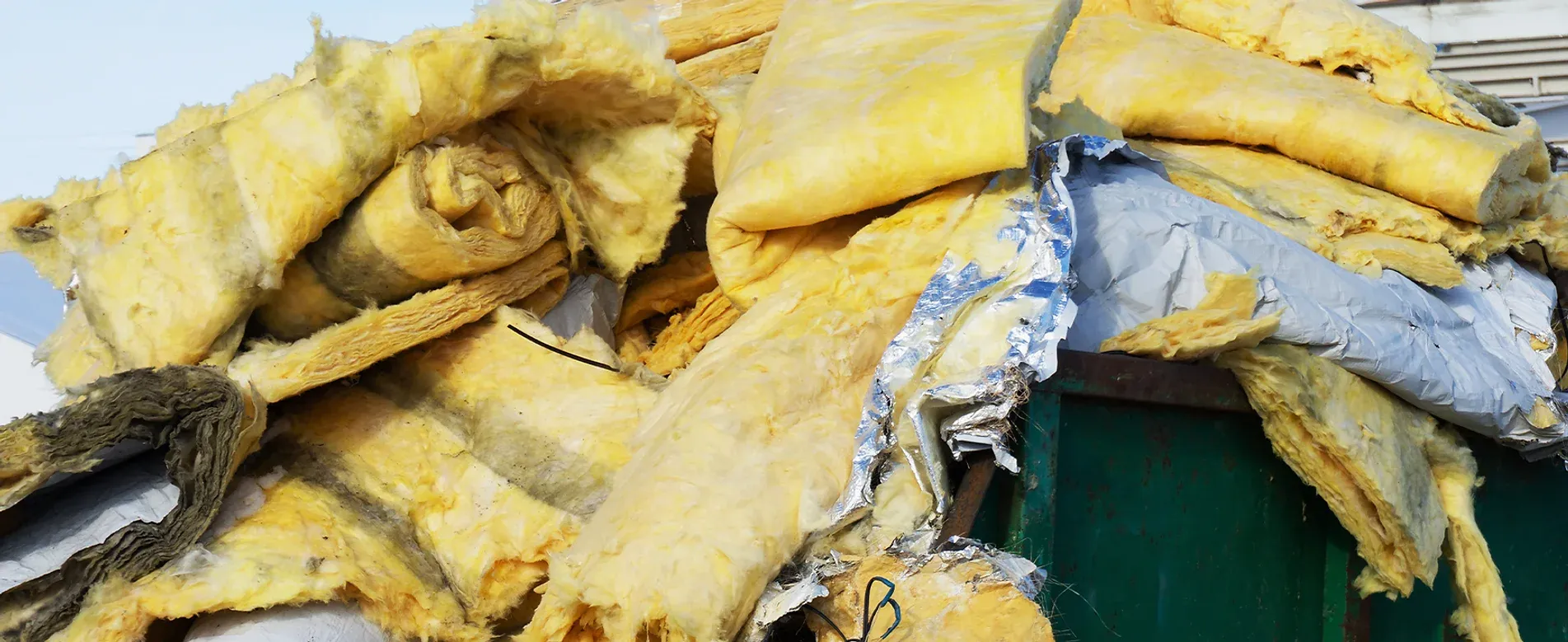
Insulation Services Available in Prescott
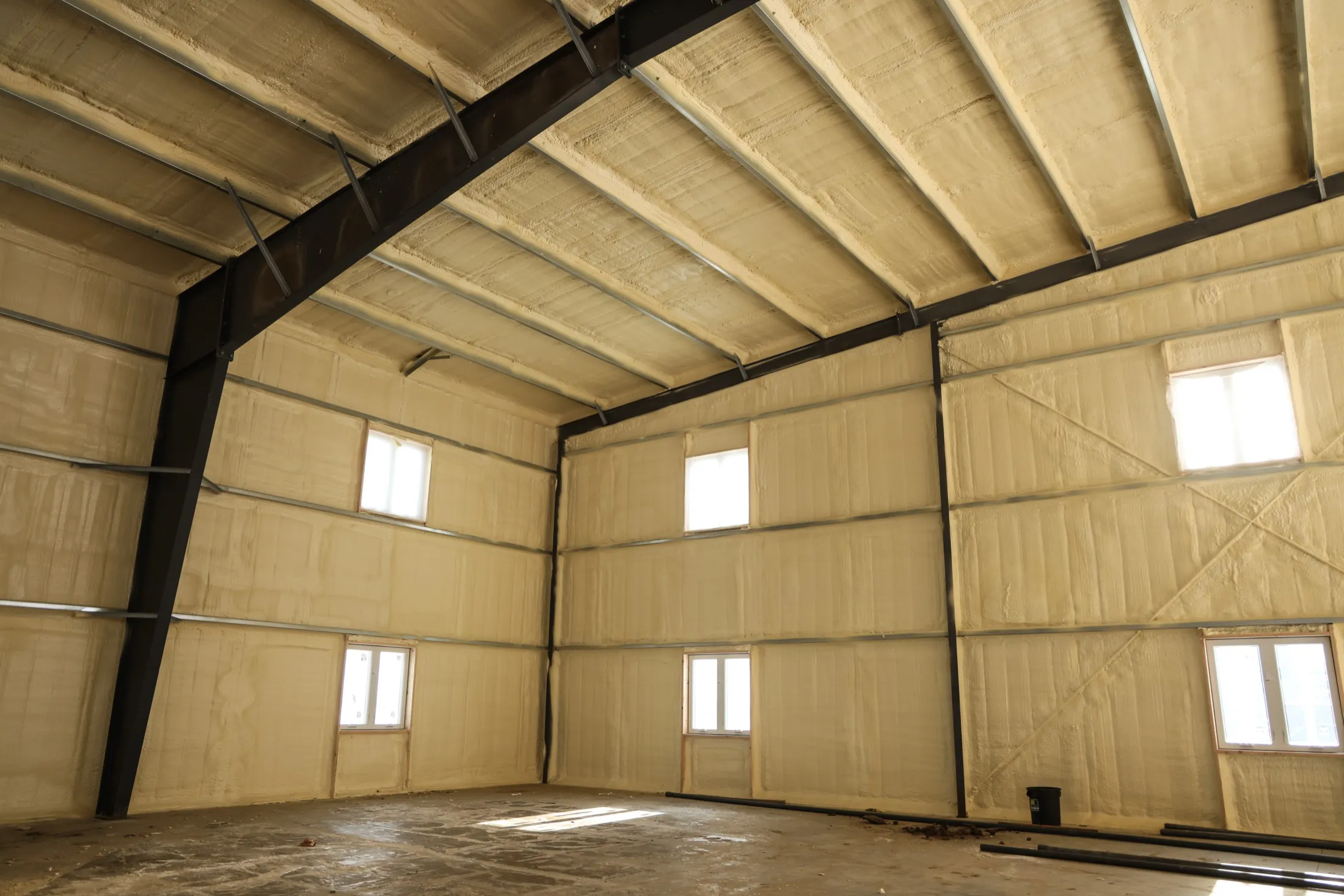
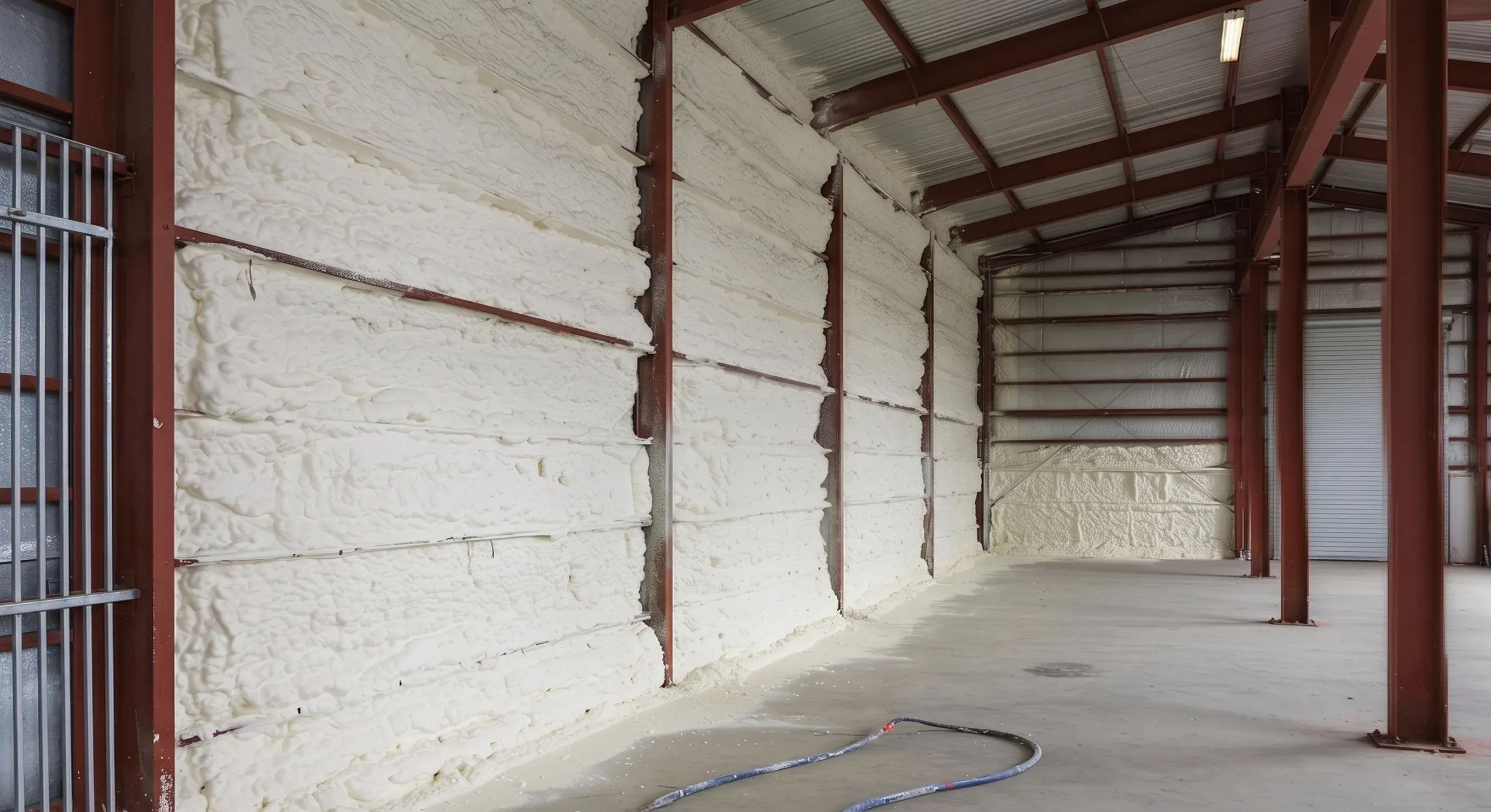
Need Spray Foam in Prescott?
Talk with our team about your home, building or upcoming project.
Common Questions
Do you provide insulation services in Prescott?
Yes. Arizona Attic Insulation provides residential and commercial insulation in Prescott, including spray foam insulation, blow-in insulation, batt insulation, radiant barriers, insulation removal, with free written estimates.
What type of insulation is best for Prescott homes?
It depends on the building. Attics, walls, garages and additions each hold and lose heat differently, so we assess the space during a free estimate and recommend the material that fits rather than defaulting to one method.
How do I get a free insulation estimate in Prescott?
Call us and we will schedule an on-site assessment of your Prescott property, then give you a written scope and price before any work begins.