
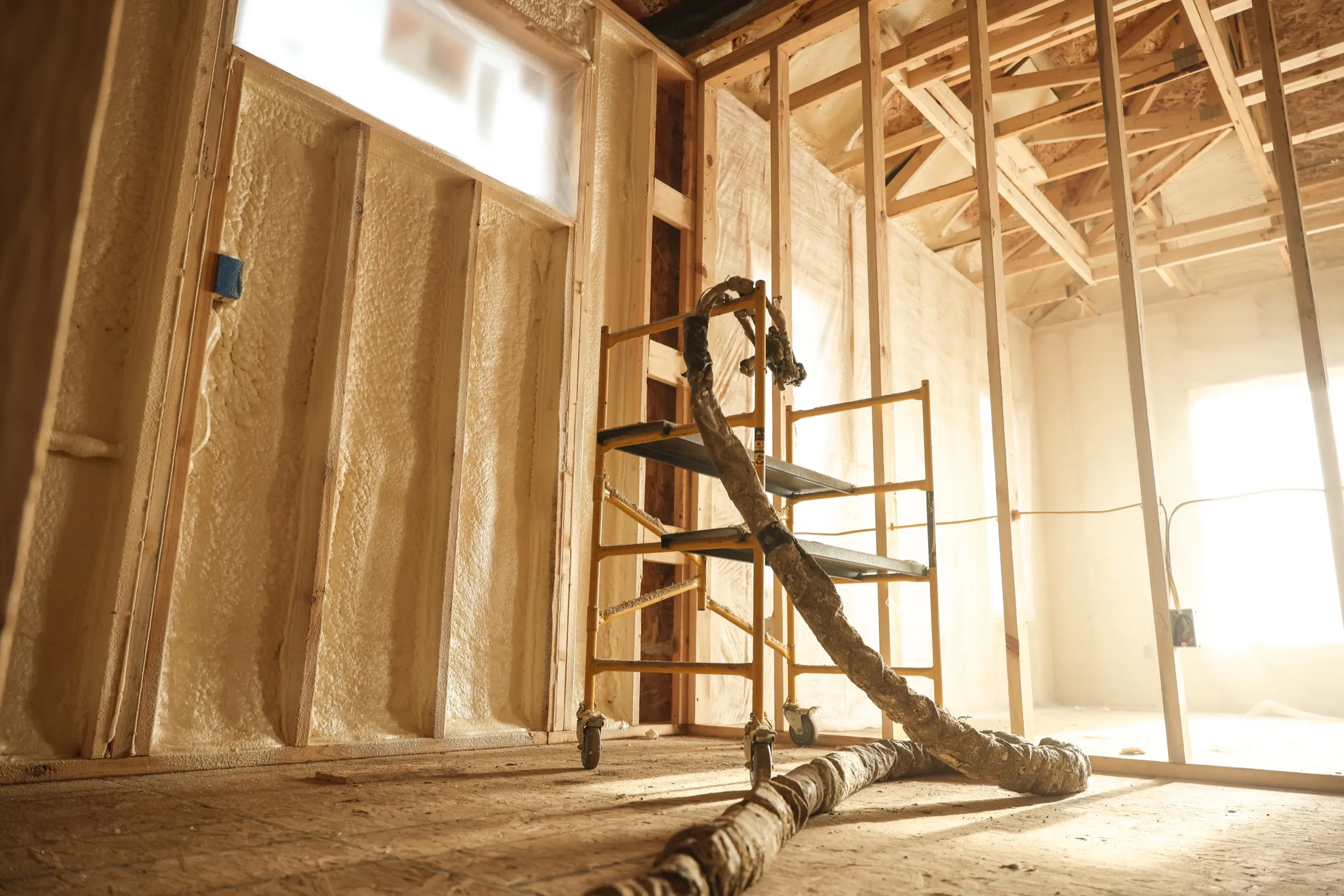
Spray Foam Insulation in Flagstaff, AZ
Professional spray foam insulation for Flagstaff homes, garages, additions, metal buildings and commercial properties.
Attic Insulation Flagstaff, AZ
Arizona Attic Insulation serves Flagstaff homeowners who are tired of watching heat escape through the ceiling all winter long. We are a statewide attic insulation company built around the work that matters most in a mountain climate: attic insulation, blown-in insulation, old insulation removal, and radiant barriers, with spray foam available where it makes sense. Flagstaff is not Phoenix with pine trees. It is a genuinely cold city sitting at roughly 7,000 feet, and the way your attic performs from November through March decides whether your heating bills stay reasonable or spiral out of control.
Most of the homes we inspect in Flagstaff were built to standards that assumed a milder climate, or they were built decades ago and the original insulation has settled, compressed, or been disturbed by years of tradespeople crawling around up there. The result is the same either way. Warm air that your furnace worked hard to produce rises into the attic and disappears through the roof deck, and your heating system runs longer to replace it. In a city where heating dominates the energy budget for half the year or more, that is real money leaving your house every single day.
We operate as a service-area business across northern Arizona, so we come to you anywhere in Flagstaff and the surrounding communities, including Sedona, Williams, and Munds Park. There is no showroom to visit and no pressure. You call (602) 960-3654, we schedule an attic evaluation, we show you exactly what is up there and what it would take to fix it, and you decide. The estimate is free and the advice is plain. Call (602) 960-3654 today to get on the schedule before the next cold snap arrives.
Why Flagstaff Attics Work Harder Than Almost Anywhere in Arizona
Arizona is unusual because it contains two very different climate realities inside one state. The desert lowland around Phoenix, Casa Grande, and Yuma sits in climate zone 2, where cooling is the main battle. The high country around Flagstaff climbs into climate zones 4 and 5, where heating dominates and winter design temperatures drop far below anything the desert ever sees. That distinction is not academic. The U.S. Department of Energy recommends attic insulation levels around R-38 to R-60 in the desert zones, but R-49 to R-60 for homes in the colder zones where Flagstaff sits. A Flagstaff attic insulated to a Phoenix standard is simply underinsulated for the weather it actually faces.
Snow adds another layer to the problem. When heat leaks out of your living space and into the attic, it warms the underside of the roof deck. Snow sitting on the roof melts from below, runs down to the cold eaves, and refreezes into ice. That freeze and thaw cycle is hard on shingles, hard on gutters, and in some cases it pushes meltwater back up under the roofing and into the house. Homeowners often blame the roof when the real culprit is a warm, underinsulated attic. Getting the attic floor properly sealed and insulated keeps roof surface temperatures more even, which reduces the melt and refreeze pattern in the first place.
The point is that insulation advice written for the desert does not translate to 7,000 feet. Flagstaff homes need deeper insulation, careful air sealing around every ceiling penetration, and ventilation that is balanced so the attic stays cold and dry through winter without trapping moisture. That is the work we do every week, and it is why an attic-first contractor matters more here than almost anywhere else in the state.
Attic Insulation Options for Flagstaff Homes
Because Arizona Attic Insulation is a full-insulation brand, we are not married to one material. We install blown-in fiberglass, blown-in cellulose, fiberglass batts, radiant barriers, and spray foam, and we recommend the combination that fits your house rather than the one that is easiest to sell. For most Flagstaff attics, the core of the job is blown-in material at a depth that hits the R-49 to R-60 target range, laid over a thoroughly air sealed attic floor. That combination does the heavy lifting for winter comfort and heating cost control.
Blown-in fiberglass is light, does not absorb moisture readily, and holds its loft well in dry cold air. Blown-in cellulose is denser, settles into odd-shaped cavities and around obstructions nicely, and offers strong resistance to air movement through the insulation layer itself. Fiberglass batts still have their place in accessible, regularly framed attics, especially in newer construction around the edges of town where joist spacing is standard. Radiant barriers play a supporting role in summer, and spray foam handles specific problems like vaulted ceilings and hard-to-access rooflines that blown material cannot reach. We will walk you through the tradeoffs in plain language during your estimate.
Blown-In Insulation for High Country Homes
Blown-in insulation is the workhorse of our Flagstaff work for a simple reason: most attics up here are irregular. Older homes near downtown and the established neighborhoods have additions, knee walls, chases, dropped soffits, and decades of wiring and duct runs crossing the attic floor. Blown material flows around all of it and fills the gaps that batts would leave open. We bring the depth up gradually and evenly, marking depth references as we go, so you end up with consistent coverage from the hatch to the eaves rather than deep spots and thin spots.
Before any material goes in, we air seal. Every recessed light, plumbing stack, wire penetration, and top plate gap gets sealed with foam or caulk, because insulation without air sealing is like wearing a sweater with the front open. Warm air still escapes, it just has to work a little harder to do it. The sealing step is what turns a modest upgrade into a noticeable one, and it is the step that discount installers most often skip. When we finish, we confirm depth across the attic and leave you with documentation of what was installed and where.
Attic Insulation Removal in Flagstaff
Sometimes the right first step is taking the old insulation out. We remove attic insulation across Flagstaff when the existing material is contaminated by rodent activity, damaged by a roof leak, soaked from a past ice dam event, or so compressed and dirty that adding new material on top would just bury the problem. Old attic insulation in mountain homes often carries decades of dust, droppings, and nesting material, and that contamination sits directly above the air you breathe. Removing it lets us start from a clean deck, seal everything properly, and then install fresh material at full depth.
Removal is done with commercial vacuum equipment that pulls the old material out through a hose directly into containment, so the mess stays out of your living space. Once the attic floor is bare, we can also see things that were hidden before: unsealed penetrations, disconnected duct joints, bath fans venting into the attic instead of outside, and early signs of moisture damage on the framing. Fixing those issues while the attic is empty is far cheaper than discovering them later. If your insulation looks gray, matted, or scattered, call (602) 960-3654 and we will tell you honestly whether removal makes sense or whether a clean top-off is enough.
Radiant Barriers in a Snow Country Attic
Radiant barriers get most of their attention in the desert, but they earn their keep in Flagstaff too. Summer sun at 7,000 feet is intense, the air is thin and the ultraviolet exposure is strong, and a dark roof can push attic temperatures surprisingly high on a July afternoon even when the evening will cool into the fifties. A radiant barrier stapled along the underside of the rafters reflects that radiant heat back toward the roof instead of letting it soak into the insulation and radiate down into your rooms. That keeps upper floors more comfortable during warm spells and reduces the load on any air conditioning or heat pump cooling you run.
The honest framing is this: in Flagstaff, a radiant barrier is a supporting player, not the star. Your winter heating performance comes from depth of insulation and air sealing. The barrier trims summer heat gain and helps the attic run closer to outdoor temperature year-round, which also helps the ventilation system do its job. We typically install it alongside a blown-in upgrade when the roof structure allows, because the labor overlaps and the combined result is an attic that behaves better in every season.
Spray Foam as a Secondary Option
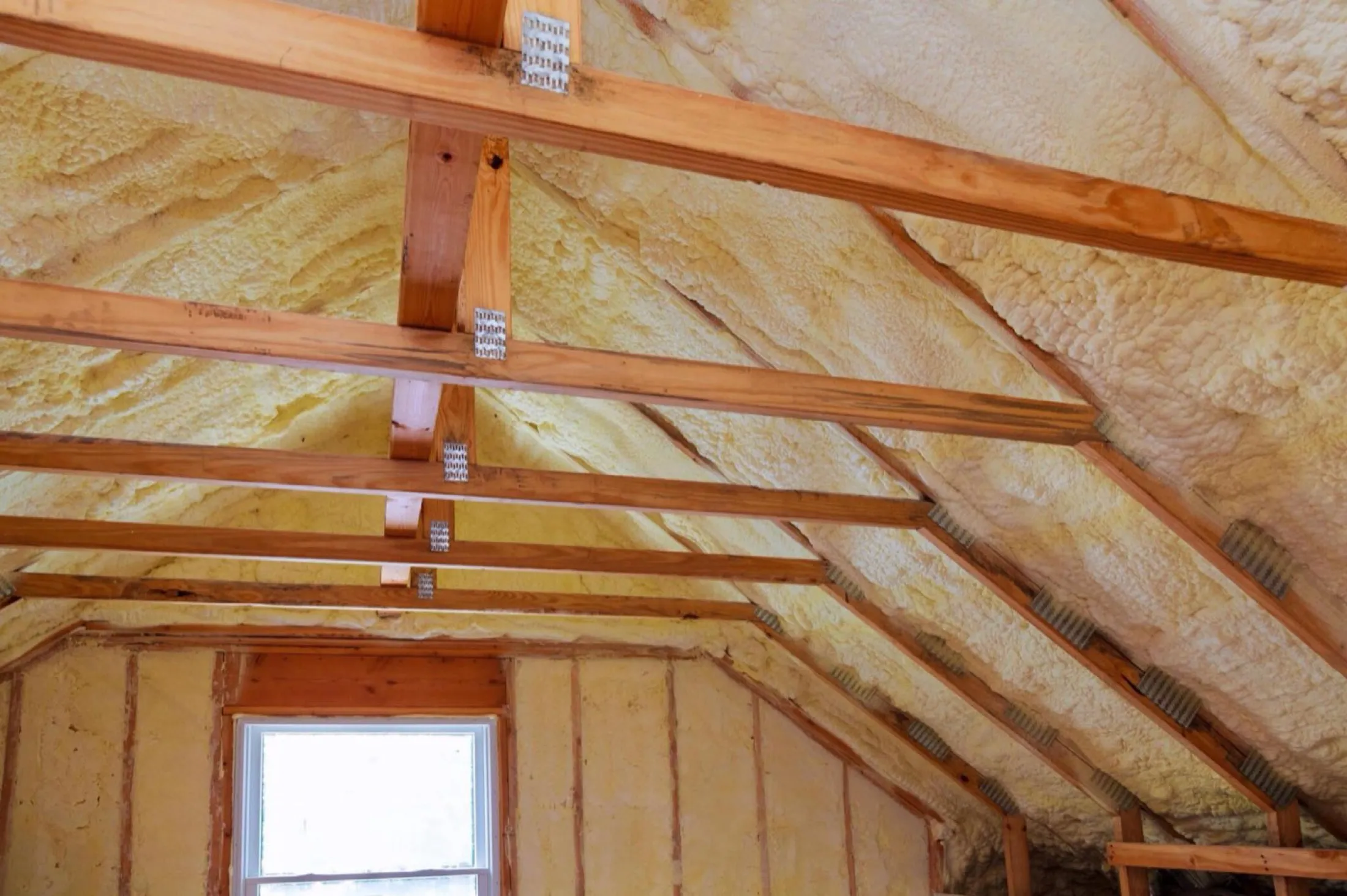
We position spray foam as a secondary tool, and in Flagstaff that is the right call for most homes. Blown-in insulation on a sealed attic floor delivers the R-value a cold climate demands at a cost most homeowners find reasonable. Spray foam earns its place in specific situations: vaulted or cathedral ceilings where there is no ventilated attic to fill, rim joist and crawl space transitions that leak cold air, and complex rooflines on mountain-style homes where the attic and living space share the same plane. Closed-cell foam in particular offers high R-value per inch, which matters when the cavity depth is fixed and shallow.
If your home has one of those situations, we will explain what foam can do, what it costs relative to the alternatives, and whether it is the best use of your budget. Often the answer is a hybrid: foam in the problem areas, blown-in depth everywhere else. That is the advantage of working with a contractor that installs everything rather than a company that only sells one product.
What Flagstaff Homeowners Can Expect on Cost
We do not publish prices as fact because every attic is different, but typical ranges can help you plan. A straightforward blown-in top-off on a standard Flagstaff attic commonly falls in the range of a couple thousand dollars, while full removal, air sealing, and reinsulation of a larger or more complex attic typically runs higher. Spray foam work is priced by board foot and scope, and vaulted ceiling projects vary widely with access and geometry. These are typical ranges only. Your free estimate will give you an exact number based on your actual attic, your target R-value, and the condition of what is already there.
What we can tell you for certain is that the work pays you back in a heating-dominated climate. Every winter you wait is another season of paying the utility for heat that leaves through the roof. Call (602) 960-3654 and we will put real numbers on your specific project, with no obligation attached.
Frequently Asked Questions
What R-value does a Flagstaff attic need?
Flagstaff sits in the colder part of Arizona's climate map, in the zone 4 to 5 range, and U.S. Department of Energy guidance for those zones calls for attic insulation around R-49 to R-60. Many existing Flagstaff homes measure well under that, sometimes R-19 or less. During your estimate we measure what is currently installed and show you the depth needed to reach the recommended range.
Can better attic insulation really help with ice problems on my roof?
In many cases, yes. Uneven roof snow melt is usually driven by heat escaping from the living space into the attic and warming the roof deck from below. Proper air sealing and insulation keep attic temperatures closer to outdoor temperatures, which leads to more even melt and less refreezing at the eaves. It is not a fix for every roof drainage issue, but it addresses the most common root cause.
How long does a typical Flagstaff attic job take?
Most blown-in upgrades on standard attics are completed in a single day. Jobs that include full insulation removal usually take longer depending on attic size and how much material is coming out. We give you a realistic timeline with your estimate and we stick to it.
Do I need to remove my old insulation before adding new?
Not always. If the existing material is dry, clean, and evenly distributed, we can often air seal the attic floor and blow new material directly over the top to reach full depth. Removal is recommended when the old insulation is contaminated by rodents, damaged by moisture, or hiding problems on the attic floor that need repair. We will tell you which situation you have after the inspection.
Is spray foam a good choice for a cold climate like Flagstaff?
It can be, in the right locations. Closed-cell spray foam delivers high R-value per inch, which is valuable in shallow cavities like vaulted ceilings and in rim joist areas where cold air leaks are common. For a standard vented attic floor, blown-in insulation at proper depth is usually the more cost-effective path. We install both and will recommend whichever fits your house.
Do you serve areas outside Flagstaff?
Yes. We are a statewide service-area company and we regularly work in Sedona, Williams, and the communities in between, along with the rest of northern Arizona. Call (602) 960-3654 and we will confirm scheduling for your location.
How do I get an estimate?
Call (602) 960-3654 and we will schedule a free attic evaluation. We inspect the attic, measure existing insulation depth, check ventilation and air sealing conditions, and then give you a written quote for the options that fit your home. There is no charge for the visit and no pressure to book.
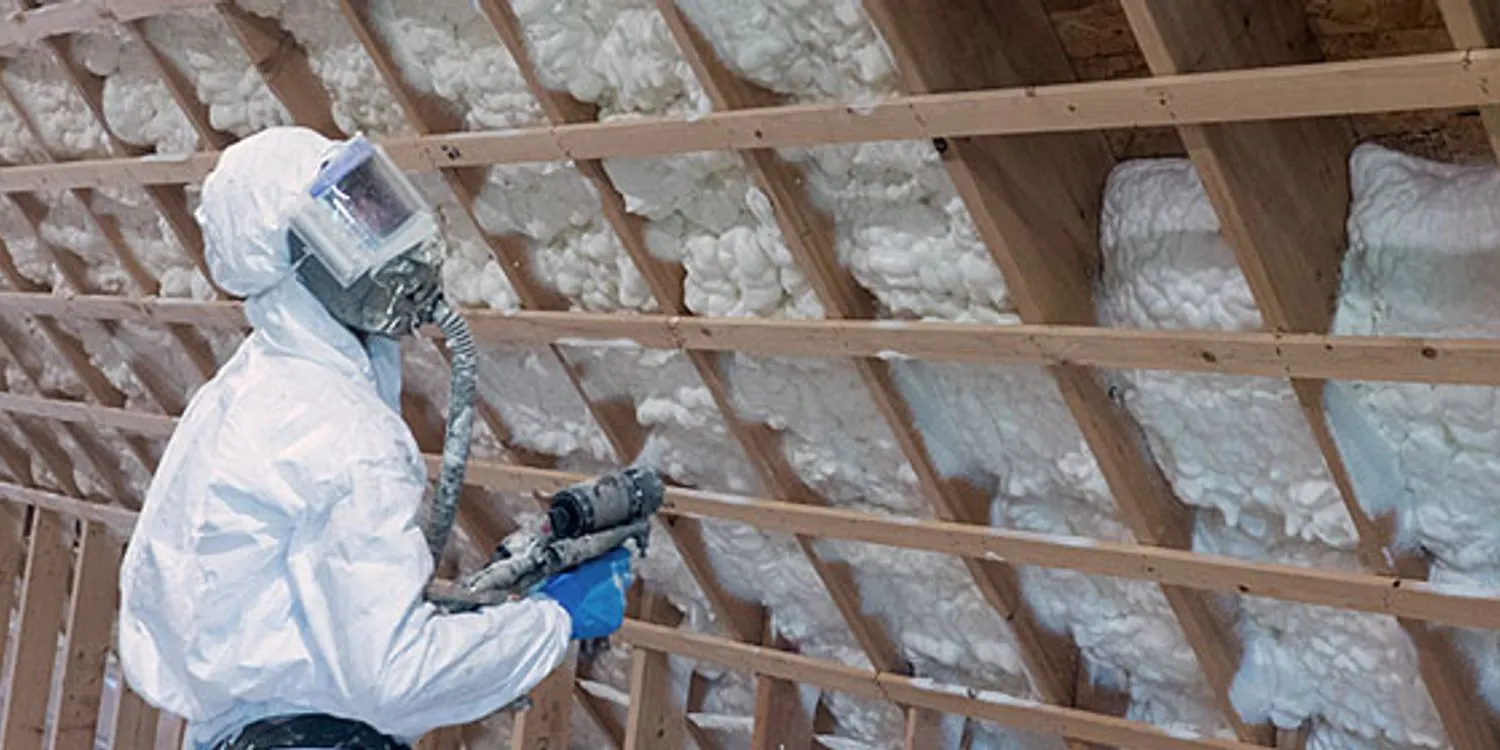
Insulation Services Available in Flagstaff
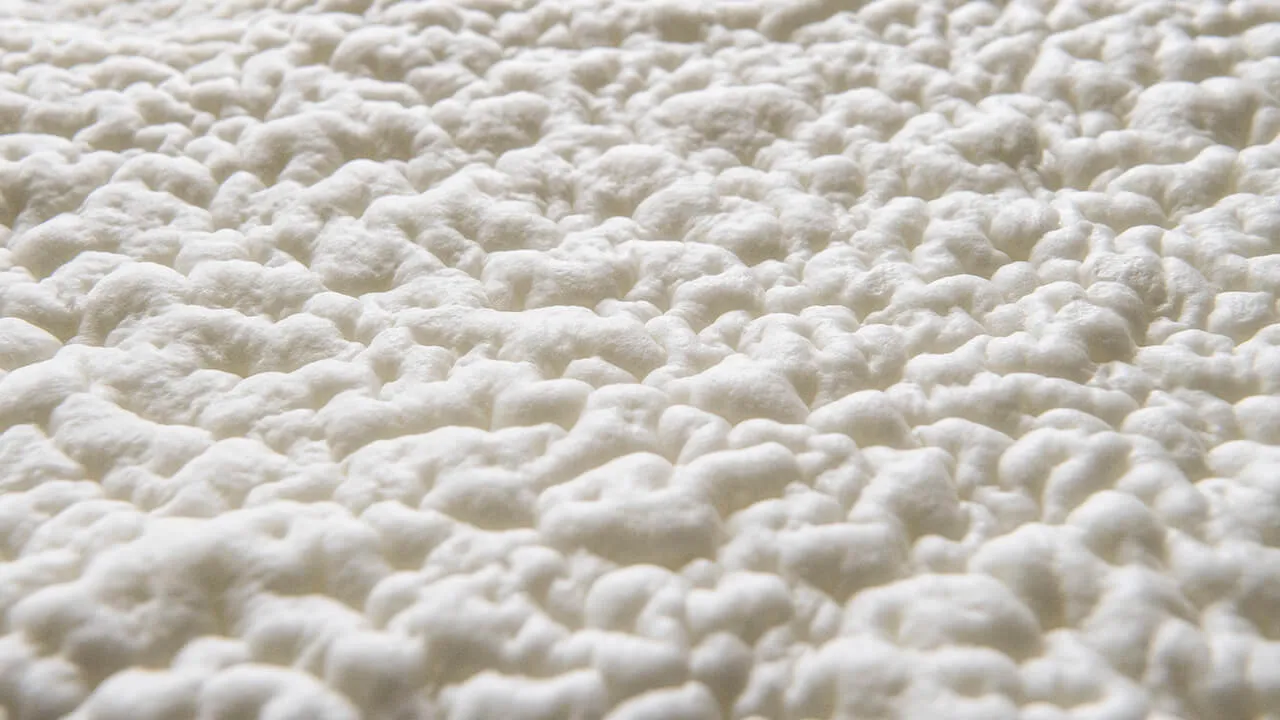
Need Spray Foam in Flagstaff?
Talk with our team about your home, building or upcoming project.
Common Questions
Do you provide insulation services in Flagstaff?
Yes. Arizona Attic Insulation provides residential and commercial insulation in Flagstaff, including spray foam insulation, blow-in insulation, batt insulation, radiant barriers, insulation removal, with free written estimates.
What type of insulation is best for Flagstaff homes?
It depends on the building. Attics, walls, garages and additions each hold and lose heat differently, so we assess the space during a free estimate and recommend the material that fits rather than defaulting to one method.
How do I get a free insulation estimate in Flagstaff?
Call us and we will schedule an on-site assessment of your Flagstaff property, then give you a written scope and price before any work begins.